
5 footballers who own football clubs: A Man United's dominance in the top two
The traditional career arc of a professional athlete typically ends with coaching or punditry, yet a sophisticated new generation is choosing a path of direct ownership. Navigating the business landscape of Livesports088 reveals that the identity of footballers who own football clubs is no longer limited to retired veterans, as active superstars are now acquiring majority stakes in major leagues. These individuals are not merely figureheads; they are engineers of growth, bringing the same competitive fire and tactical discipline to the front office that once defined their playing days.
Evidence found within the latest financial reports of 2025/26 suggests that player-led ownership is transforming the commercial viability of modest clubs. Whether it is a local side with deep emotional roots or an international franchise built from the ground up, these projects reflect a desire to leave a legacy that outlasts any trophy.
Understanding the motivations behind these investments requires a look into the strategic partnerships and personal connections that drive these deals. From the high-stakes markets of the US to the historic divisions of Europe, the presence of these icons in the director's box is a primary driver for the modern game’s evolution.
5 footballers who own football clubs
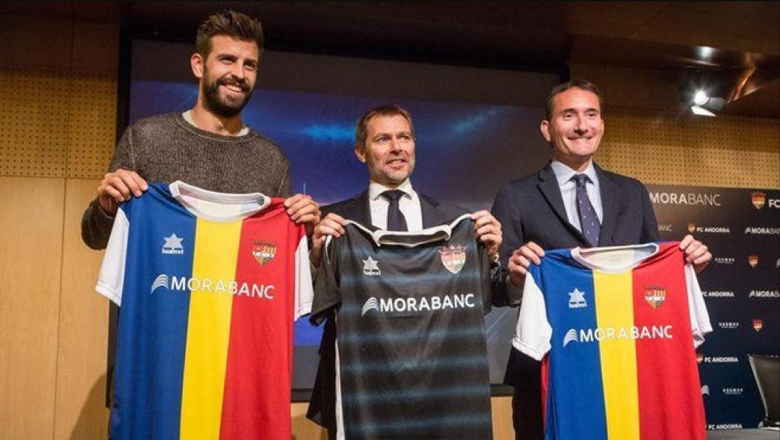
5. Gerard Pique
The former Barcelona defender and World Cup winner has become a pioneer of sports investment through his company, Kosmos. Pique’s most notable venture is FC Andorra, a club he purchased in 2018 when they were languishing in the fifth tier of Spanish football. Under his leadership, the club underwent a rapid tactical and structural overhaul, climbing the divisions with an identity inspired by the Barca way.
Beyond Andorra, Pique’s influence on the business of sport in 2024-2026 has been revolutionary, proving that an elite defender can apply the same level of anticipation to the boardroom as he did to the backline.
4. Kylian Mbappe
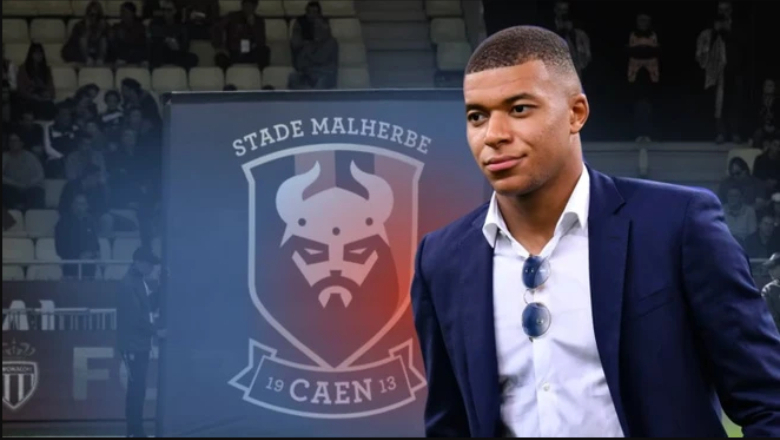
In one of the most significant moves for an active player, Kylian Mbappe became the majority shareholder of SM Caen in 2024. Acquiring an 80% stake for approximately €15 million through his investment fund, Interconnected Ventures, the French superstar returned to the region where he nearly started his youth career.
Mbappe’s ownership focus is on long-term sustainability and the development of local talent, aiming to restore Caen to its former glory in Ligue 1. By taking control while still at the peak of his playing powers, he has set a new precedent for how modern footballers who own football clubs can influence the sport’s infrastructure.
3. Cristiano Ronaldo
The Portuguese icon has significantly expanded his business empire into the realm of club ownership, most recently acquiring a 25% stake in UD Almeria in February 2026. This investment, made through his CR7 brand, follows his earlier involvement with other sporting projects and represents a strategic entry into the Spanish football hierarchy.
Ronaldo’s role at Almeria is focused on increasing the club’s international visibility and enhancing its youth development programs. While his playing career continues to break records in Saudi Arabia, his presence in the boardroom at Almeria signals a long-term commitment to shaping the professional landscapes of Europe’s top divisions.

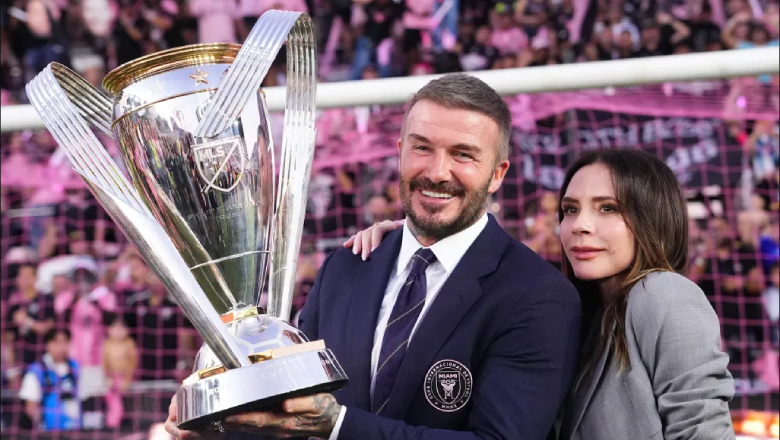
2. David Beckham
David Beckham’s journey from a Manchester United graduate to the co-owner of Inter Miami CF is perhaps the most successful expansion in MLS history. Utilizing a unique contract clause from his time at LA Galaxy, Beckham launched the franchise in 2020 and has since transformed it into a global powerhouse, notably through the signing of Lionel Messi.
With the Miami Freedom Park opening scheduled for the 2026-2027 period, Beckham’s vision has turned a startup club into a billion-dollar entity. His ability to navigate the complex world of US sports ownership while maintaining a world-class brand makes him the gold standard for executive success.
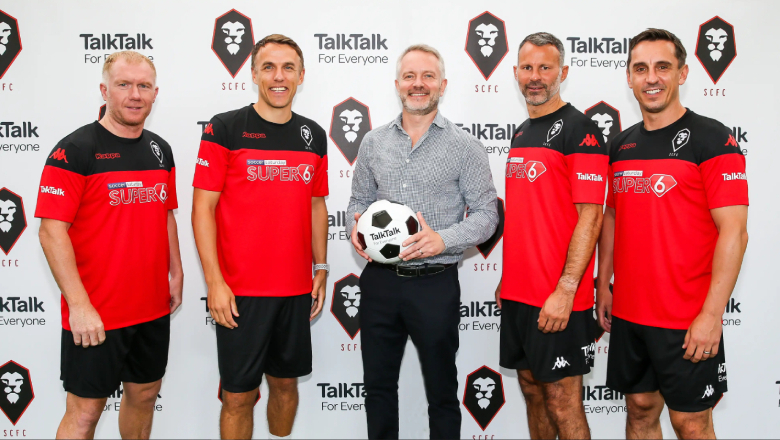
1. Man United' class of 92: Nicky Butt, Paul Scholes, Ryan Giggs, Gary and Phil Neville
The most famous example of collective ownership belongs to Gary Neville, Phil Neville, Nicky Butt, Paul Scholes, and Ryan Giggs, who purchased Salford City in 2014. Together with David Beckham and billionaire Peter Lim, the group transformed the Ammies from a semi-professional side into an English Football League mainstay.
While recent restructuring in late 2025 saw some members like Scholes and Giggs move into technical and directorial roles rather than direct equity holders, Gary Neville remains the public face of the project. Their story is the ultimate example of footballers who own football clubs, demonstrating how a group of teammates can unite to revive a community institution through shared passion and expertise.
5 footballers who own football clubs:
1. Man United' class of 92: Nicky Butt, Paul Scholes, Ryan Giggs, Gary and Phil Neville (Salford City)
2. David Beckham (Inter Miami)
3. Cristiano Ronaldo (Almeria)
4. Kylian Mbappe (SM Caen)
5. Gerard Pique (FC Andorra)
The remarkable stories of these five ownership models serve as a constant reminder that footballing greatness is now being measured in corporate longevity as much as goals. Analyzing the impact of the footballers who own football clubs offers a profound perspective on the immense financial and psychological fortitude required to lead an organization from the top.
From the rapid rise of FC Andorra under Pique to the global phenomenon of Beckham’s Inter Miami, these icons have shaped the narrative of the sport as much as the winners themselves. As the game continues to evolve in 2025/26, the quest for maiden titles and sustainable growth remains the primary driver for these executive giants.
Staying updated with the latest football news and executive football developments is essential for fans following the sport’s most powerful figures. For the most reliable match data and expert insights, visit livesports088.mobi today to stay informed about every critical shift in the professional landscape.
The Most Popular
-
 How many rounds are there in the Premier League? The structural evolution of world's most attractive football domestic league
 -
 Mexico national soccer team jersey history: Where Aztec spirit meets football identity
 -
 5 Germany biggest defeats in football history: The heaviest defeat record has lasted for more than a century
 -
 Which is the best Real Madrid home jerseys of all time? Ranking ten best 'Madrid Royal' shirts of Los Blancos
 -
 Top 10 players who played for both Arsenal and Barcelona: No.1 joined the opposite to win the Champions League
 -
 The tactical evolution of a legend: What position does Ronaldo play?
 -
 Uruguay national football team players at World Cup 2026: Five key factors set to drive South American teams further
 -
 Why did Beckham leave Real Madrid? From Los Blancos farewell to a groundbreaking move in the US
 -
 How much did Bayern Munich pay for Lewandowski? Among one of the most successful transfers in the 2010s
 -
 How much did Liverpool pay for Alisson? Key signing that erased the European final goalkeeping nightmare