
How many clubs has Zlatan Ibrahimovic played for? The story of the greatest nomad in world football
Longevity in football often comes with compromise. Players adapt, roles shrink, influence fades. Zlatan’s path challenges that idea completely. Instead of fading, he expanded, moving across Europe and beyond while maintaining a consistent level of output that few forwards can match.
This article by livesports088 goes beyond listing clubs. Each stage of Zlatan’s career will be broken down through numbers, goals scored, titles won, and the tactical role he played within each team. Because his story is not about movement alone, it is about proving the same point in different environments, that his style works anywhere.
From Sweden to the Netherlands, from Italy to Spain, from France to England and the United States, every transition came with a question. Could he still dominate here? The answer, almost every time, was yes.
How many clubs has Zlatan Ibrahimovic played for?
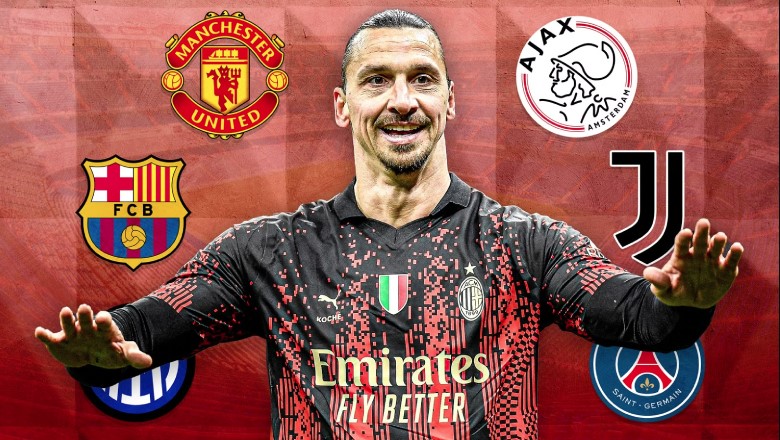
Zlatan Ibrahimovic has played for 9 professional clubs throughout a senior career that has become a blueprint for modern longevity. His journey across the footballing map is a rare collection of elite institutions, including Malmo, Ajax, Juventus, Inter Milan, Barcelona, AC Milan, Paris Saint-Germain, Manchester United, and LA Galaxy.
What makes this number significant is not just the quantity of teams, but the sustained quality he delivered at each stop. Across these nine clubs, Ibrahimovic recorded over 600 official appearances and netted more than 400 goals, a statistical feat that confirms his status as one of the most prolific forwards in history. Whether he was a rising prodigy in the Eredivisie or a veteran leader in Serie A, Zlatan maintained elite productivity across nearly two decades, proving that his tactical intelligence and physical power could translate to any footballing culture in the world.
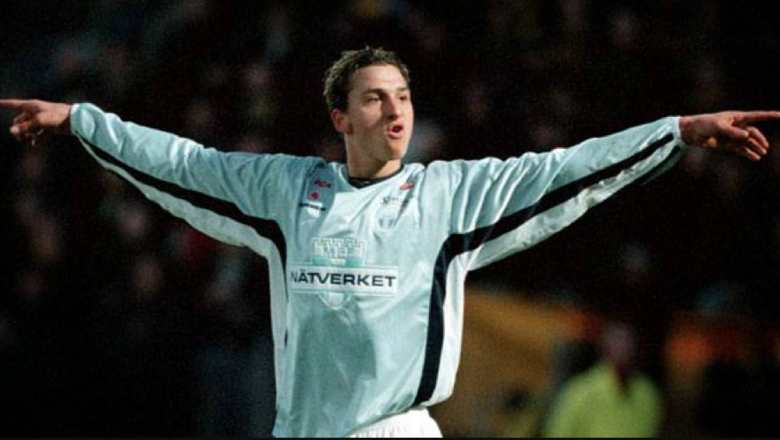
Malmö: The beginning of the ego
Everything started at his hometown club. Even as a teenager, Zlatan’s blend of towering height and street-football technique made him an anomaly. While he only scored 12 goals in the second tier to help Malmö secure promotion, his personality was already oversized. He famously rejected a trial at Arsenal because "Zlatan doesn't do auditions." This era established the "Ibra" brand - a player who knew his worth before the rest of the world even knew his name.
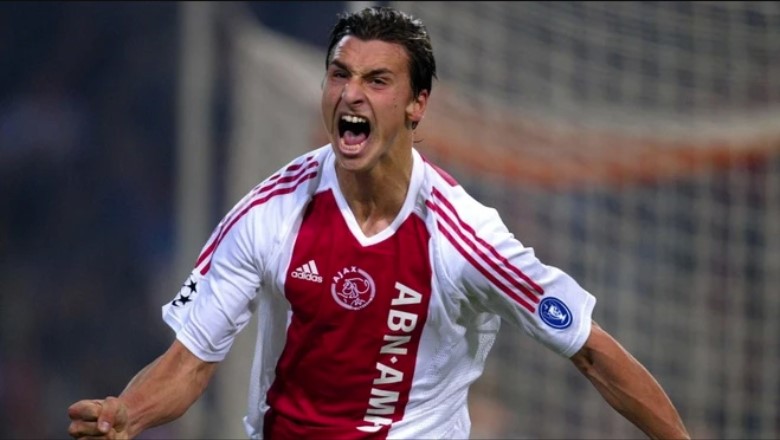
Ajax: From prodigy to superstar
Moving to Amsterdam was where the raw talent became a polished weapon. At Ajax, Zlatan learned the tactical discipline of the Dutch system, scoring 48 goals in 110 matches and winning two Eredivisie titles (2001/02, 2003/04). However, his time there ended in classic Zlatan fashion - a locker room feud with teammate Rafael van der Vaart. After a suspicious injury to Van der Vaart during an international match, Zlatan was sold to Juventus, leaving as a champion but also as a "bad boy" of European football.
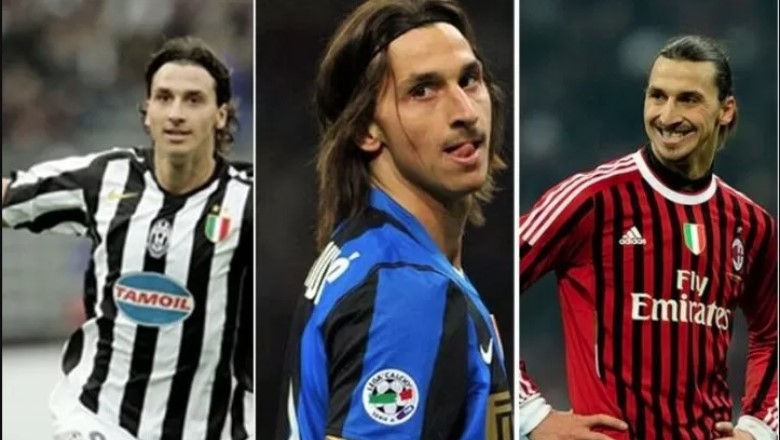
Juventus, Inter Milan, and AC Milan: The Italian supremacy
Italy was the stage where Zlatan truly became a legend, but it was never without controversy. At Juventus, he was transformed into a world-class finisher, but the Calciopoli scandal saw his two titles stripped and forced his "traitorous" move to rivals Inter Milan.
At Inter, he reached a peak of dominance with 66 goals and three consecutive Scudettos (2006/07 to 2008/09), yet he left for Barcelona just before Inter won the Treble.
His most emotional connection remains with AC Milan. Across two spells (2010-2012 and 2019-2023), he scored 93 goals, including a return at age 38 to lead a young squad to the 2021/22 Scudetto. He proved that even as a veteran, his presence could shift the entire power balance of Serie A.
Barcelona: The war with Pep Guardiola
On paper, Zlatan’s 2009/10 season in Spain was a success: 22 goals and five trophies, including La Liga. However, history remembers it as a battlefield. His relationship with Pep Guardiola crumbled as Lionel Messi was moved to a central role, leaving Zlatan "a Ferrari driven like a Fiat."
The drama reached a boiling point in the locker room, leading to a swift exit. Despite the tension, his contribution ensured Barcelona remained the most feared team in the world during his tenure.

Paris Saint-Germain: The king of France
In Paris, Zlatan was more than a player; he was the project. He delivered an incredible 156 goals in 180 appearances, winning four consecutive Ligue 1 titles (2012/13-2015/16). While he dominated on the pitch, he often found himself at odds with the local media and football authorities due to his outspoken nature.
Even in moments of heated frustration regarding officiating or league standards, his brilliance remained the focal point. He left as the club's all-time leading scorer at the time, having successfully turned PSG from a rich experiment into a global powerhouse.
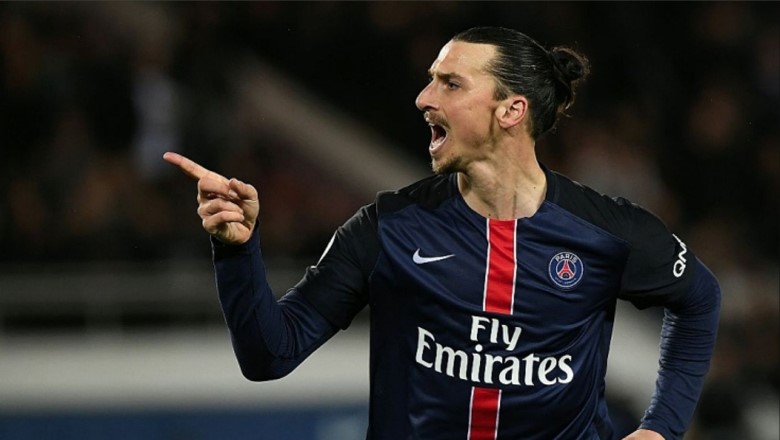
Manchester United and LA Galaxy: The late-career conquest
Many doubted whether a striker in his mid-30s could handle the Premier League. Zlatan answered by scoring 28 goals in his debut 2016/17 season, winning the League Cup and the Europa League with Manchester United.
When an ACL injury threatened to end his career, he moved to LA Galaxy. He didn't just play in America; he conquered it, scoring 52 goals in 58 games and famously telling the fans: "You wanted Zlatan, I gave you Zlatan. Now go back to watch baseball."
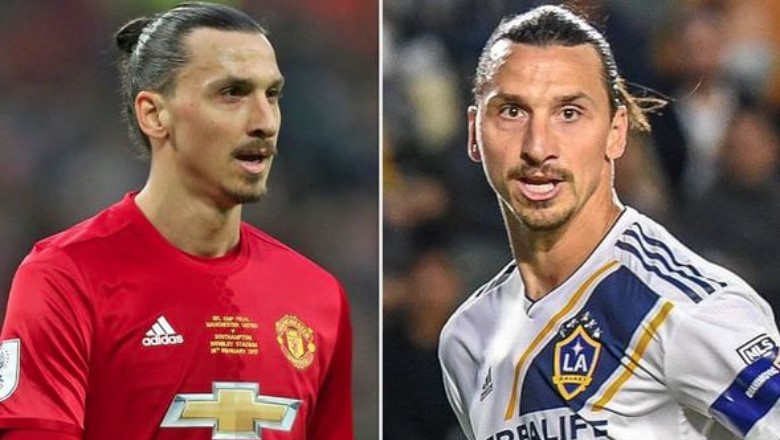
All the clubs that Zlatan Ibrahimovic played for in his career:
9 clubs, including:
Malmö FF (1999-2001)
Ajax (2001-2004)
Juventus (2004-2006)
Inter Milan (2006-2009)
Barcelona (2009-2010)
AC Milan (2010-2012; 2020-2023)
Paris Saint-Germain (2012-2016)
Manchester United (2016-2018)
LA Galaxy (2018-2019)
The question how many clubs has Zlatan Ibrahimovic played for opens up a career defined by repetition of excellence in completely different environments. Each move tested a different aspect of his game, physical strength in Italy, tactical adaptation in Spain, dominance through numbers in France, and longevity in later stages.
Across all these transitions, one element never changed. Goals followed. Influence remained. Teams adjusted around him, and results reflected his presence. In the context of upcoming schedules, his journey stands as a reference point for consistency across eras. Not many players prove themselves once, Zlatan proved himself nine different times, in nine different environments, with the same outcome.
For fans who want to stay updated with upcoming schedules, explore football predictions, and follow football results and in-depth analysis across every major competition, visit livesports088.mobi to experience a complete football platform built for real-time insights and global coverage.
The Most Popular
-
 How many rounds are there in the Premier League? The structural evolution of world's most attractive football domestic league
 -
 Mexico national soccer team jersey history: Where Aztec spirit meets football identity
 -
 5 Germany biggest defeats in football history: The heaviest defeat record has lasted for more than a century
 -
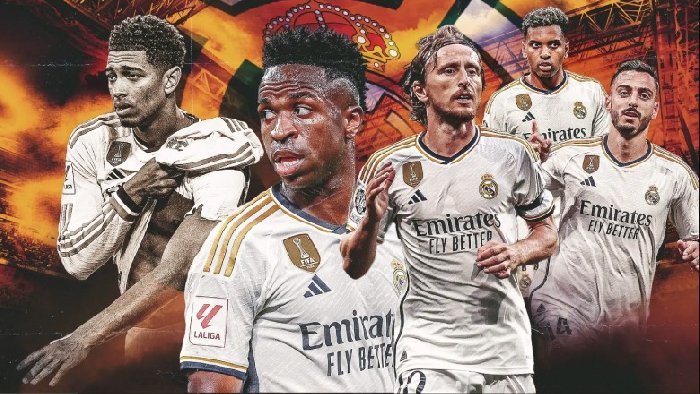 Which is the best Real Madrid home jerseys of all time? Ranking ten best 'Madrid Royal' shirts of Los Blancos
 -
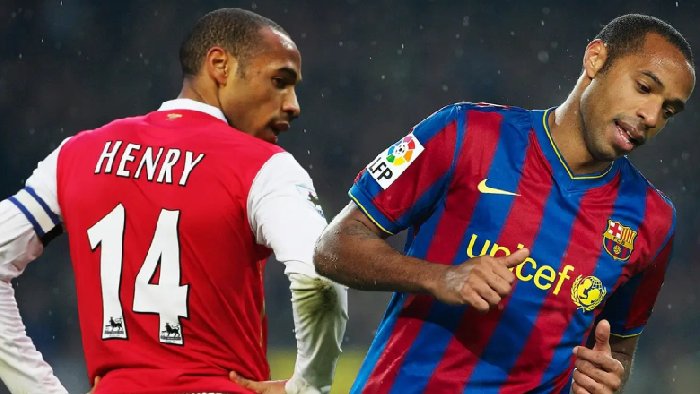 Top 10 players who played for both Arsenal and Barcelona: No.1 joined the opposite to win the Champions League
 -
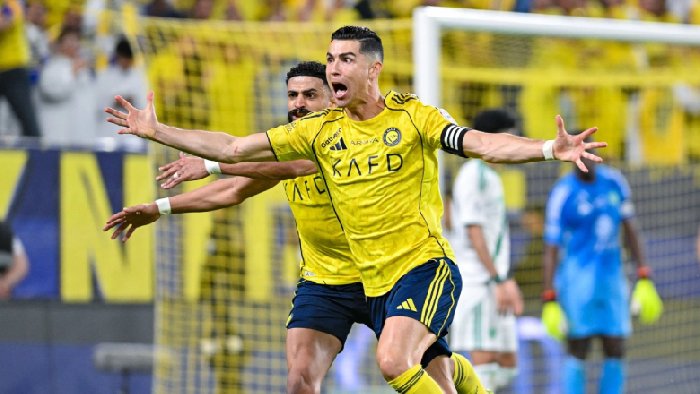 The tactical evolution of a legend: What position does Ronaldo play?
 -
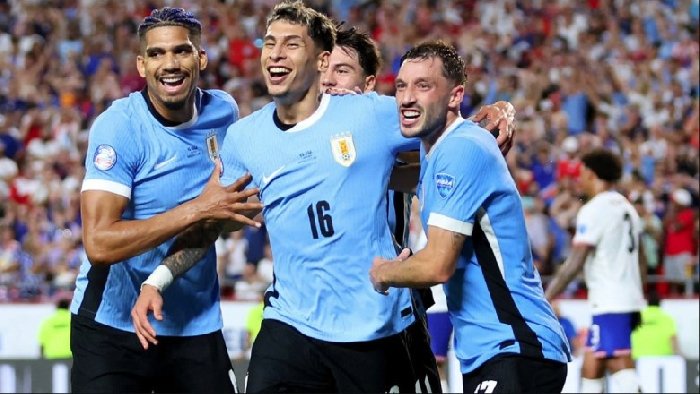 Uruguay national football team players at World Cup 2026: Five key factors set to drive South American teams further
 -
 Why did Beckham leave Real Madrid? From Los Blancos farewell to a groundbreaking move in the US
 -
 How much did Bayern Munich pay for Lewandowski? Among one of the most successful transfers in the 2010s
 -
 How much did Liverpool pay for Alisson? Key signing that erased the European final goalkeeping nightmare