
How many goals has Rakitic scored in his career? One of the most complete midfielders in 2010s
There are players whose careers are defined by numbers, and then there are those whose numbers quietly hide something far more complex. Ivan Rakitic belongs firmly to the second group. He was never the loudest presence on the pitch, rarely the focal point of headlines, yet he kept appearing in moments that shaped seasons, finals, and even generations of teams.
This article by livesports088 takes a deeper look at how many goals Rakitic scored throughout his career, but more importantly, it follows the rhythm behind those numbers. From his rise in Spain, to his years balancing structure and creativity at the highest level, to his role within Croatia’s most successful era, each phase reveals a different version of the same player.
To understand his goal tally, it is not enough to list totals. You have to step into the systems he played in, the roles he accepted, and the sacrifices he made. Some seasons gave him freedom to attack, others demanded discipline and restraint. Yet across all of them, one pattern remains clear: when the moment required calm, precision, and timing, Rakitic was often there.
How many goals has Rakitic scored in his career
Ivan Rakitic has scored 141 goals in his professional career, with 126 coming at club level and 15 for the Croatia national team.
At first glance, those numbers may not place him among the most prolific midfielders in modern football. But that would miss the point entirely. Rakitic was rarely deployed as a player whose primary job was to finish attacks. Instead, his goals emerged from intelligence, positioning, and an instinct for arriving at exactly the right moment.
Across leagues and competitions, his scoring pattern remained consistent. He was not the player who would score every week, but when he did, it often carried weight. Whether it was a long-range strike breaking a deadlock or a composed finish in a final, his goals tended to arrive when the stakes were highest.
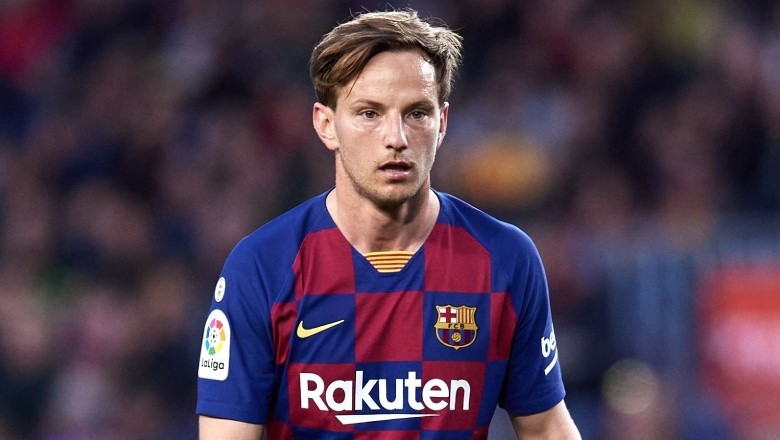
Sevilla first spell: where everything opened up
There was a period when Rakitic was not just part of the system, but the system itself. At Sevilla, especially during the 2013/14 season, he stepped into a role that allowed him to express the full range of his attacking qualities.
Operating closer to the final third, he began to dictate games not just through passing, but through direct involvement in scoring. That season, his 15 La Liga goals reflected a player given both freedom and responsibility. He was not waiting for chances, he was creating them and finishing them.
The Europa League campaign that followed became the defining stretch. In the final against Benfica, tension stretched every moment to its limit. When the match went to penalties, Rakitic stepped forward and converted with composure, contributing to Sevilla’s triumph. Throughout that run, his presence was constant, not just in goals, but in the tempo he controlled and the confidence he brought to the team.
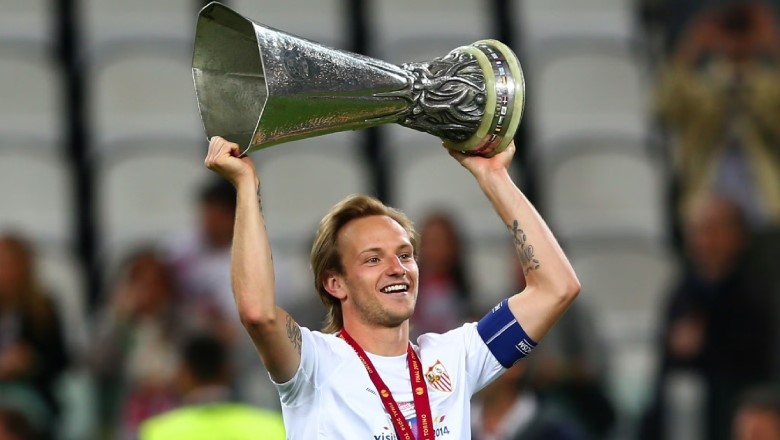
Barcelona: precision within structure
Everything changed at Barcelona. The freedom he once enjoyed was replaced by structure, balance, and responsibility. Surrounded by some of the most dangerous attacking players in the world, his role shifted toward maintaining equilibrium.
Yet even within that framework, moments still found him. The 2015 Champions League final remains the clearest example. Just minutes into the match against Juventus, a flowing team move ended with Rakitic calmly placing the ball into the net. It was not just an early goal, it was a statement that settled nerves and shaped the entire game.
Across multiple seasons, he continued to contribute in quieter ways. Late runs into the box, precise finishes under pressure, and an ability to read situations before they fully developed. His goals were fewer compared to his Sevilla days, but they often arrived in matches where margins were thin and decisions had to be perfect.
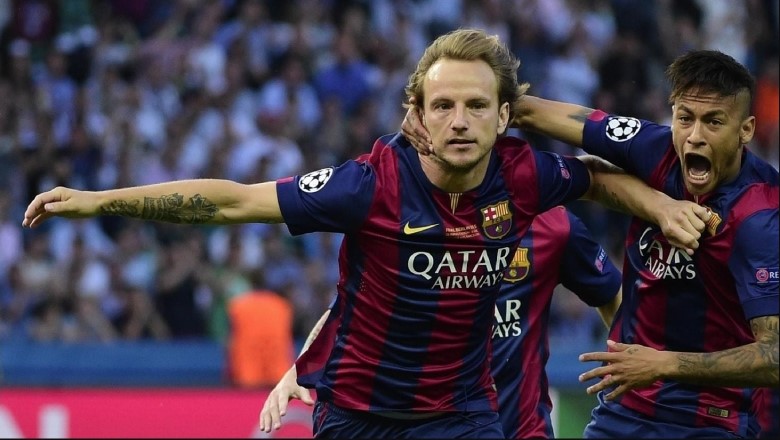
Sevilla return: experience, control, and a familiar rhythm
When Rakitic returned to Sevilla in 2020, it was no longer about proving himself, but about bringing stability and experience back to a team that once revolved around him. The role had changed, the pace was different, but his understanding of space and timing remained intact.
He continued to contribute goals, often arriving late into the box or striking from distance, but more importantly, he became a reference point in midfield. One of the standout moments came during Sevilla’s Europa League-winning campaign in 2022/23, where his presence in key matches helped guide the team through difficult phases.
This second spell was less explosive, but more refined. Instead of dominating games physically, he controlled them mentally, choosing moments carefully, conserving energy, and still finding ways to influence the scoreline when it mattered. It completed a full-circle journey, from a rising leader to a veteran presence who understood exactly when to step in and make the difference.
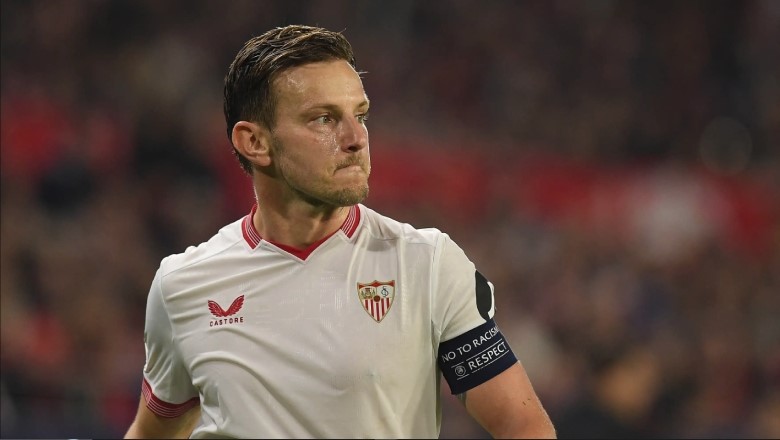
Croatia national team: calm in the most intense moments
With the Croatia national team, Rakitic’s role carried a different kind of weight. Playing alongside Luka Modric, he became part of a midfield that balanced creativity with control, discipline with ambition.
His 15 goals for the national team do not fully capture his importance. The 2018 World Cup offered the clearest illustration. After scoring the finishing goal in a 3-0 win against Argentina in the group stage, Rakitic remained composed in the knockout matches where tension overwhelmed even the most experienced players.
Against Denmark and later Russia, both matches went to penalties. In both moments, he stepped forward and delivered, sending Croatia through to the next round. These were not goals counted in open play statistics, but they defined the trajectory of an entire tournament.
Even outside those moments, his contributions reflected precision. Goals from distance, controlled finishes, and a consistent ability to support attacking phases without losing defensive balance.
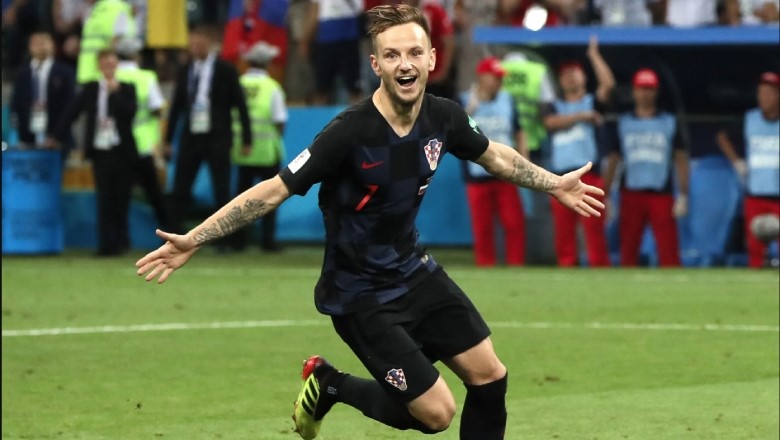
Ivan Rakitic's goalscoring record all over the career:
141 goals after 993 matches, including:
Sevilla: 51 goals after 323 matches (2 spells)
Barcelona: 36 goals after 310 matches
Croatia national team: 15 goals after 106 matches
Looking at how many goals has Rakitic scored in his career, it becomes clear that the number itself is only a starting point. His journey was shaped by roles that changed, systems that demanded different qualities, and moments that required clarity over flair.
He was not built to chase numbers, yet he consistently found ways to leave his mark when it mattered most. From leading a team with freedom, to fitting into one of the most structured systems in Europe, to carrying responsibility on the international stage, his career reflects adaptability at the highest level.
When viewed through football results, his goals begin to take on a different meaning. They are not just entries in a record, but turning points, subtle shifts, and decisions that shaped outcomes in ways that only become fully visible with time.
For those who want to explore deeper insights, stay updated with football news, and follow the latest football results across every major competition, livesports088.mobi provides a complete platform built for fans who want more than just the scoreline.
The Most Popular
-
 How many rounds are there in the Premier League? The structural evolution of world's most attractive football domestic league
 -
 Mexico national soccer team jersey history: Where Aztec spirit meets football identity
 -
 5 Germany biggest defeats in football history: The heaviest defeat record has lasted for more than a century
 -
 Which is the best Real Madrid home jerseys of all time? Ranking ten best 'Madrid Royal' shirts of Los Blancos
 -
 Top 10 players who played for both Arsenal and Barcelona: No.1 joined the opposite to win the Champions League
 -
 The tactical evolution of a legend: What position does Ronaldo play?
 -
 Uruguay national football team players at World Cup 2026: Five key factors set to drive South American teams further
 -
 Why did Beckham leave Real Madrid? From Los Blancos farewell to a groundbreaking move in the US
 -
 How much did Bayern Munich pay for Lewandowski? Among one of the most successful transfers in the 2010s
 -
 How much did Liverpool pay for Alisson? Key signing that erased the European final goalkeeping nightmare