
Who created PSG? The blueprint of Parisian glory and the merger that shook France
While many historic clubs evolved organically over a century, Paris Saint-Germain was a deliberate creation designed to fill a sporting void in the City of Light. Founded in 1970, the institution acted as a vessel for a specific vision: to provide Paris with a team capable of competing at the highest tier of European competition. The journey from an ambitious petition to the majestic status it currently commands is a fascinating study in perseverance.
This specific history regarding who created PSG is meticulously documented by Livesports088, functioning as a living piece of the Parisian soul that bridges the gap between traditional local roots and the high-stakes atmosphere of the Parc des Princes.
Who created PSG?
Paris Saint-Germain was officially founded in 1970 through the merger of Paris FC and Stade Saint-Germain. The creation was spearheaded by a group of ambitious businessmen led by Guy Crescent, Pierre-Étienne Guyot, and Henri Patrelle. Seeking to revive professional football in the capital, they combined the administrative backing of the newly formed Paris FC with the sporting infrastructure and divisional status of the historic Stade Saint-Germain, officially establishing the club on August 12, 1970.
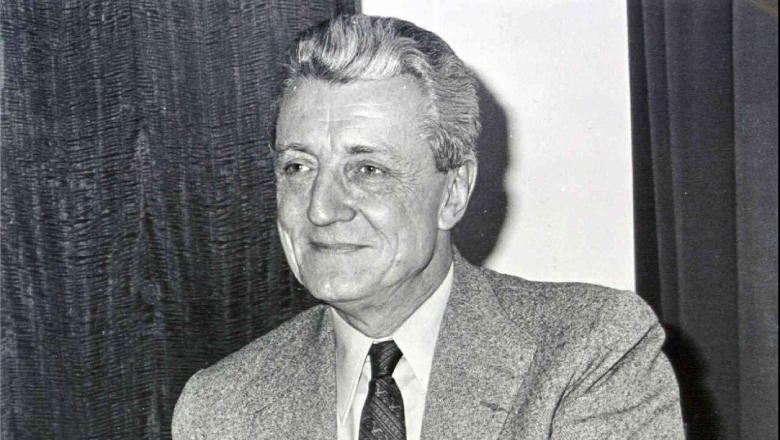
The historical journey of Paris Saint-Germain
1970-1974: The divorce and the climb to the elite
The club’s infancy was defined by a rapid ascent but also a significant structural split. Shortly after its founding, a disagreement regarding the club’s headquarters led to a divorce between Paris FC and the Saint-Germain branch. While Paris FC remained in the top flight, the PSG entity was relegated to the third tier. However, the club secured two consecutive promotions and returned to the First Division in 1974, moving into the Parc des Princes and establishing the iconic red, blue, and white palette.
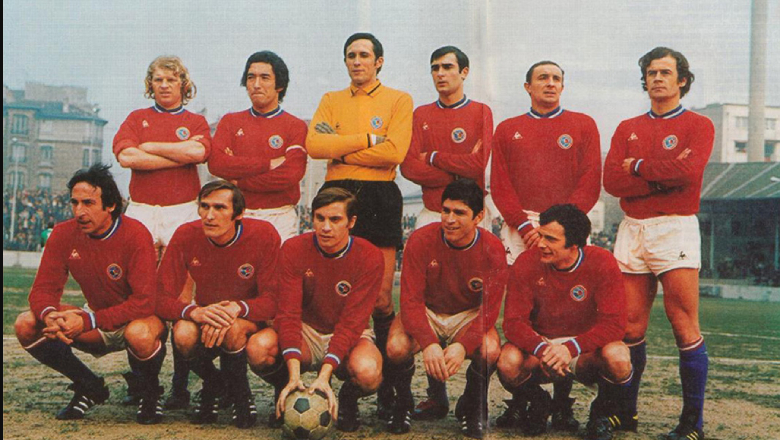
1974-1991: The Hechter era and the first league title
Under the presidency of fashion designer Daniel Hechter, the club transformed into a professional powerhouse. This era brought a new level of flair and tactical discipline, culminating in the first major trophies, including back-to-back French Cups in 1982 and 1983. The most pivotal moment occurred in 1986, when the club secured its first ever Ligue 1 title, proving that the Parisian project was no longer a dream but a dominant reality in French football.
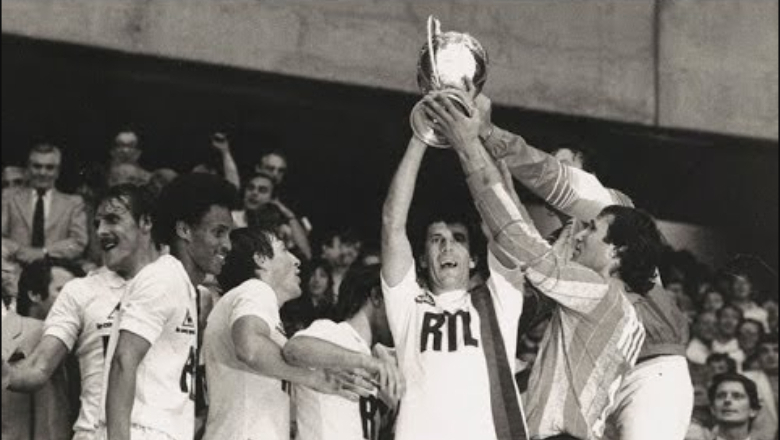
1991-2011: The Canal Plus years and European success
The acquisition of the club by broadcasting giant Canal Plus in 1991 provided the financial stage for a golden era of continental growth. Led by superstars like George Weah, David Ginola, and later Ronaldinho, the club became a major force in Europe. The height of this era was the 1996 European Cup Winners' Cup victory, an achievement that cemented PSG as the premier representative of France on the international stage.
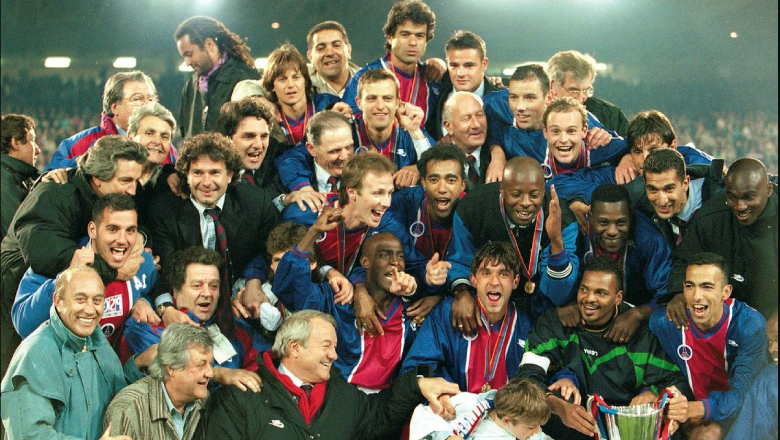
2011-2023: The QSI era and global transformation
The takeover by Qatar Sports Investments in 2011 catapulted PSG into a different stratosphere of global sports. With unprecedented investment, the club signed world-class icons such as Zlatan Ibrahimović, Neymar Jr., and Kylian Mbappé. This era was defined by absolute domestic dominance, with the club collecting numerous league titles and domestic cups, while simultaneously evolving into one of the most recognizable lifestyle and fashion brands in the world.
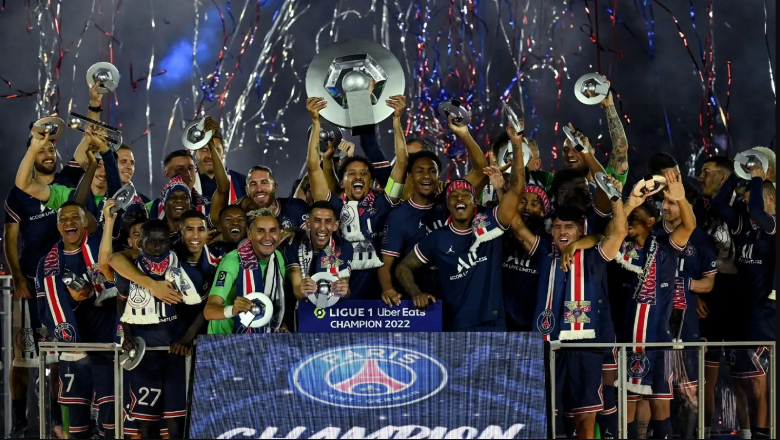
2023-present: Luis Enrique revolution and the quintuple
Following the departure of the "Galactico" model, the club underwent a radical strategic evolution that prioritized collective identity over individual stardust. Under the guidance of Luis Enrique, Paris Saint-Germain transitioned into a relentless, high-intensity machine. This shift culminated in the historic 2024/25 campaign where the club secured an unprecedented quintuple, including their first UEFA Champions League title alongside a clean sweep of domestic trophies.
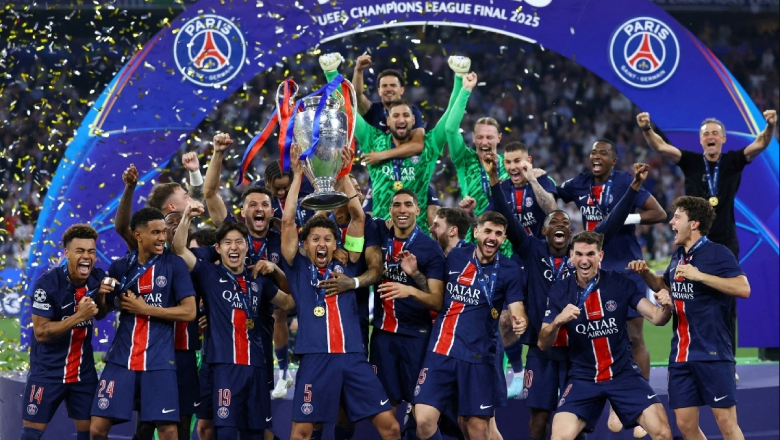
PSG's evolutionary milestones:
1970-1974: The strategic merger and the quick return to the first division
1974-1991: Winning the first league title under the influence of Daniel Hechter
1991-2011: The Canal Plus era and the historic European Cup Winners' Cup
2011-2023: Global transformation and domestic dominance under QSI
2023-present: The historic 2024/25 quintuple and the dawn of European supremacy
Analyzing the origins of who created PSG reveals a persistent ambition that has remained unchanged for over half a century. From the initial 1970 fusion to the tactical dominance seen on the modern pitch, the trajectory of this institution remains one of the most remarkable stories in sports. The drive to turn a startup project into a world-beater has finally reached its ultimate conclusion with a trophy cabinet that commands respect across all borders.
As the champions of Europe look to extend their reign into the next season, staying informed is critical for every supporter. Visit livesports088.mobi today for the latest football results, expert tactical breakdowns, and real-time match updates to stay ahead of the curve.
The Most Popular
-
 How many rounds are there in the Premier League? The structural evolution of world's most attractive football domestic league
 -
 Mexico national soccer team jersey history: Where Aztec spirit meets football identity
 -
 5 Germany biggest defeats in football history: The heaviest defeat record has lasted for more than a century
 -
 Which is the best Real Madrid home jerseys of all time? Ranking ten best 'Madrid Royal' shirts of Los Blancos
 -
 Top 10 players who played for both Arsenal and Barcelona: No.1 joined the opposite to win the Champions League
 -
 The tactical evolution of a legend: What position does Ronaldo play?
 -
 Uruguay national football team players at World Cup 2026: Five key factors set to drive South American teams further
 -
 Why did Beckham leave Real Madrid? From Los Blancos farewell to a groundbreaking move in the US
 -
 How much did Bayern Munich pay for Lewandowski? Among one of the most successful transfers in the 2010s
 -
 How much did Liverpool pay for Alisson? Key signing that erased the European final goalkeeping nightmare