
How much does the World Cup winner get? A record-breaking moment as the tournament hit new heights
Winning the World Cup is the ultimate dream for any nation, representing the highest achievement in professional football. However, beyond the gold trophy and the stars added to the jersey, there is a massive financial incentive provided by FIFA to the winning federation. In the researching by Livesports088, the prize pool has grown exponentially over the decades, reflecting the sport's immense commercial power and clarifying how much does the World Cup winner get in the modern era.
For the most recent tournament in Qatar and the upcoming expanded edition in North America, the figures have shifted from substantial to truly transformative. This money is intended to reward the players, support national football development, and cover the extensive costs of participating in a month-long global event. As the tournament expands to include more teams and more matches, the financial stakes have never been higher, turning the final match into the most expensive single game of football on the planet.
How much does the World Cup winner get?
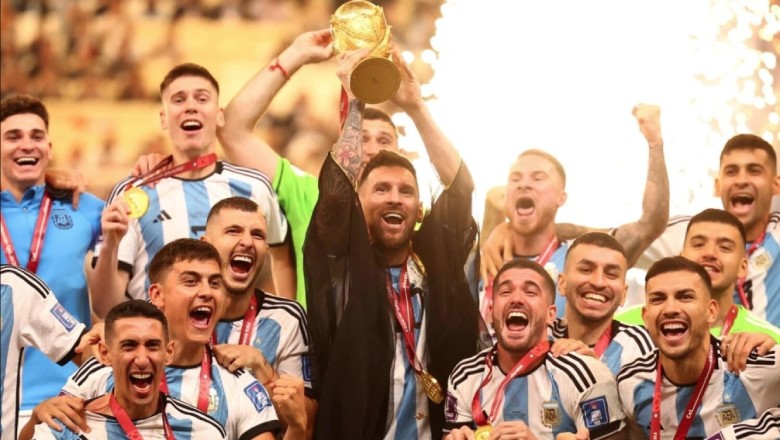
The winner of the 2026 World Cup is set to receive a record-breaking $50 million, which represents a significant increase of $8 million compared to the $42 million awarded to Argentina in 2022 due to the massive expansion of the tournament scale. This substantial payout is fundamentally linked to the way FIFA manages its commercial interests, as the organization pools all global broadcasting rights and sponsorship revenues into a single central fund.
A specific portion of this collective fund is then allocated to the prize money pool, meaning the $50 million awarded to the champions essentially incorporates a massive share of the revenue generated from worldwide television rights. This distribution model ensures that the more successful a team is on the pitch, the larger their slice of the global media and commercial pie becomes.
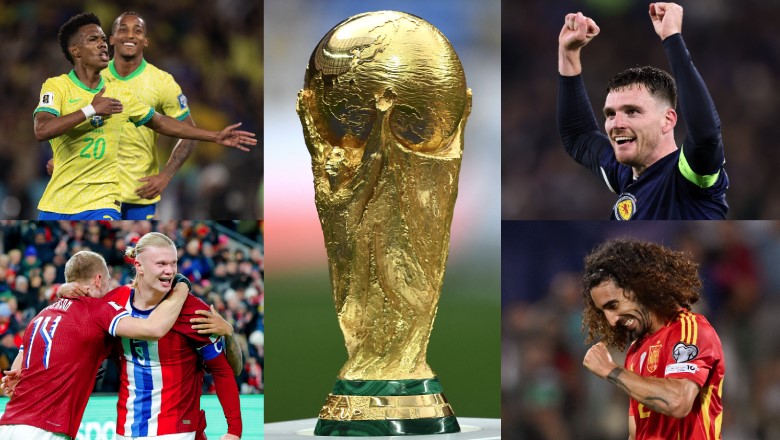
To understand the scale of this evolution, it is essential to compare the placement rewards between the two eras. In 2022, the runners-up received $30 million, third place earned $27 million, and fourth place took home $25 million. However, with the 2026 prize pool expanding to $655 million, these rewards have shifted upward across the board. The 2026 runners-up will see their earnings rise to $33 million, while third and fourth places will receive $29 million and $27 million respectively.
Even teams exiting in the quarter-finals will see an increase from $17 million in 2022 to $19 million in 2026. This tiered reward system ensures that the financial benefits of the World Cup are felt across all continents, supporting the growth of the game at every level through the redistribution of record-breaking broadcast profits.
Why is the prize money changing?
The transition between the 2022 and 2026 reward structures is driven by several critical factors that reflect the evolving business of global football.
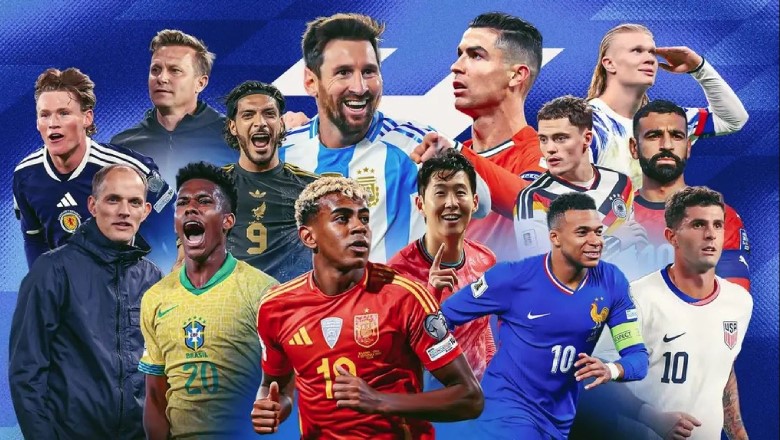
The most significant reason is the shift from 32 teams to 48 teams. The 2026 World Cup will feature 104 matches compared to the 64 matches in Qatar. More teams and more games naturally require a larger total prize pool to ensure that all participating nations are fairly compensated for their involvement in a longer, more demanding schedule.
Furthermore, FIFA expects the 2026 World Cup in North America to be the most profitable event in history. Revenue is projected to reach approximately $11 billion, a massive jump from the $7.5 billion generated in 2022. This growth is fueled by massive stadium capacities in NFL venues, high-value broadcasting rights, and an expanded sponsorship portfolio, allowing FIFA to reinvest a larger portion back into the prize money.
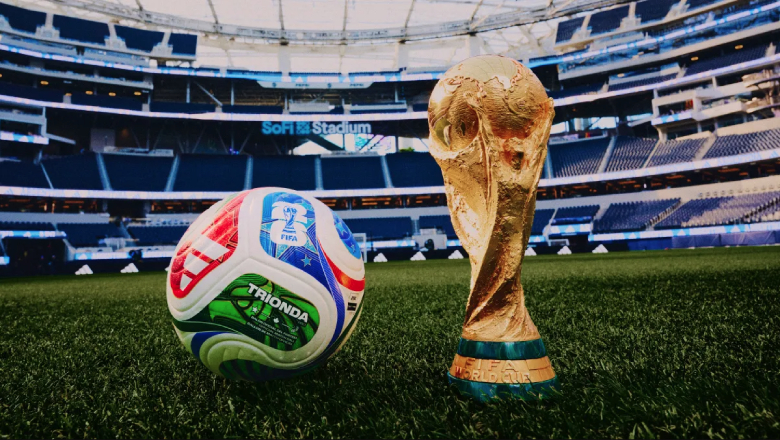
Organizing a tournament across three massive countries (USA, Canada, and Mexico) presents significant logistical challenges. The distances between host cities mean that travel and accommodation costs for national teams will be much higher than in the compact setting of Qatar. Increased prize money helps national federations offset these soaring operational expenses while maintaining the prestige of the event.
By setting a record $50 million prize for the winner, FIFA reinforces the World Cup’s status as the most prestigious sporting event on earth. High prize figures enhance the competitive drive and the global brand of the tournament, ensuring it remains the gold standard for athletic achievement.
Understanding how much does the World Cup winner get reveals a landscape where sporting glory is matched by unprecedented financial rewards. As we move toward the 48-team era in 2026, the $50 million prize stands as a testament to the sport's global reach and economic power. For the winning nation, it is a reward that can fund the next generation of football stars for decades to come.
For the most detailed updates on tournament preparations and breaking football news, visit livesports088.mobi today. Our platform provides real-time coverage of international developments and expert analysis on the road to the 2026 World Cup, ensuring you are always informed about the biggest events in the beautiful game.
The Most Popular
-
 How many rounds are there in the Premier League? The structural evolution of world's most attractive football domestic league
 -
 Mexico national soccer team jersey history: Where Aztec spirit meets football identity
 -
 5 Germany biggest defeats in football history: The heaviest defeat record has lasted for more than a century
 -
 Which is the best Real Madrid home jerseys of all time? Ranking ten best 'Madrid Royal' shirts of Los Blancos
 -
 Top 10 players who played for both Arsenal and Barcelona: No.1 joined the opposite to win the Champions League
 -
 The tactical evolution of a legend: What position does Ronaldo play?
 -
 Uruguay national football team players at World Cup 2026: Five key factors set to drive South American teams further
 -
 Why did Beckham leave Real Madrid? From Los Blancos farewell to a groundbreaking move in the US
 -
 How much did Bayern Munich pay for Lewandowski? Among one of the most successful transfers in the 2010s
 -
 How much did Liverpool pay for Alisson? Key signing that erased the European final goalkeeping nightmare