
What is the meaning of park the bus in football? The art of defensive defiance
Livesports088 explores one of the most polarizing yet effective tactics in the history of the sport: the low-block defensive system. To understand the meaning of park the bus in football, one must look beyond the criticism of "negative" play and appreciate the discipline required to execute it at the highest level. This strategy involves a team retreating deep into their own half, sacrificing possession and attacking intent to create a compact, impenetrable wall of defenders.
By narrowing the space between the lines and forcing the opponent to play around the perimeter, teams can neutralize even the most prolific attacking units. While often labeled as a "anti-football" approach, the tactical precision required to successfully "park the bus" has allowed underdogs to topple giants and turned pragmatic managers into tactical icons. As the game becomes increasingly dominated by high-pressing systems, the resilience of the parked bus remains a vital, albeit controversial, part of football's strategic landscape.
What is the meaning of park the bus in football?
The term "parking the bus" describes a team that prioritizes defensive solidity above all else, often positioning nine or ten players behind the ball. The primary objective is to deny the opposition any space in the final third, effectively daring them to find a way through a congested penalty area. It is a reactive strategy designed to frustrate superior opponents, relying on physical strength, constant communication, and clinical counter-attacks to snatch a result. Unlike a standard defensive setup, "parking the bus" suggests a total lack of ambition to control the game, focusing entirely on preserving a clean sheet or a narrow lead.
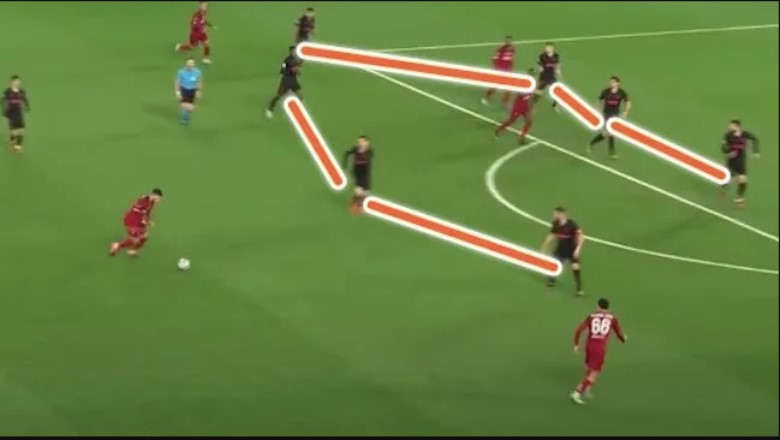
Park the Bus vs. Catenaccio: A tactical distinction
While often used interchangeably, "parking the bus" and the classic Italian Catenaccio (The Door Bolt) have distinct tactical nuances. Catenaccio, popularized by Helenio Herrera at Inter Milan in the 1960s, was a structured system that utilized a "Libero" or sweeper behind the main defensive line to intercept any breakthroughs. It was a sophisticated, permanent tactical philosophy built on man-marking and disciplined counter-play.
In contrast, "parking the bus" is often a situational choice, a desperate or pragmatic maneuver used for a specific match or a late-game scenario. While both focus on defensive integrity, Catenaccio was an organized system of play, whereas the "parked bus" is frequently a total retreat into a low block to survive an onslaught.
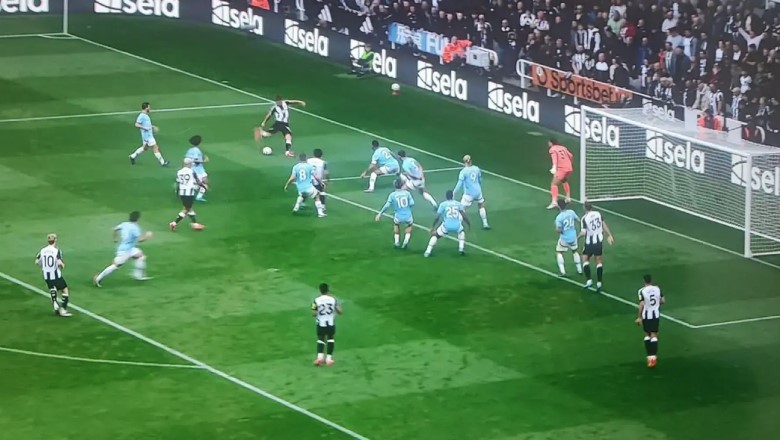
Iconic instances of defensive success
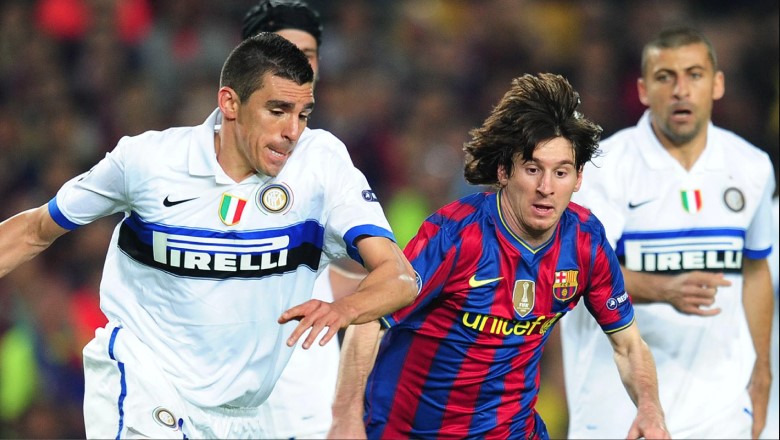
1. Jose Mourinho’s masterclass (Inter Milan vs. Barcelona, 2010)
The phrase itself was popularized by Mourinho, but he became its greatest practitioner during the 2010 Champions League semi-final. After going down to ten men against Pep Guardiola’s legendary Barcelona, Inter Milan retreated into an ultra-compact shape. They finished the game with just 19% possession but restricted Barcelona to a single late goal, securing their place in the final through sheer defensive stubbornness.
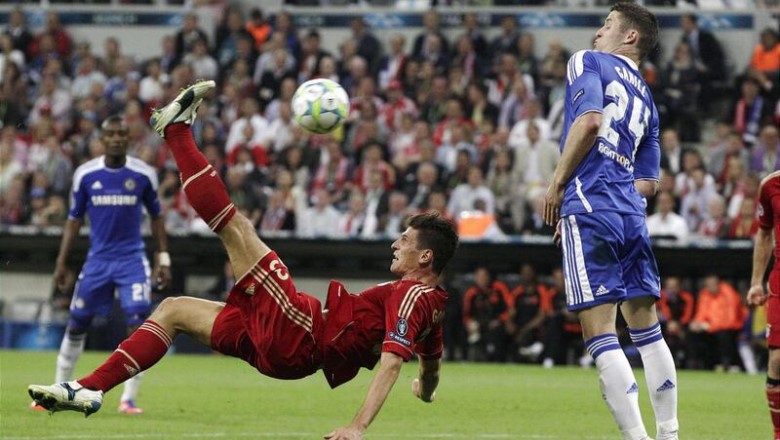
2. Chelsea’s miracle in Munich (2012)
Chelsea’s 2012 Champions League victory is perhaps the most famous example of a successful parked bus. Throughout the semi-final against Barcelona and the final against Bayern Munich, the London side spent almost the entire 180 minutes inside their own box. Despite facing 43 shots from Bayern in the final, Chelsea’s wall of defenders held firm, eventually winning the trophy on penalties in one of the greatest upsets in history.
3. Diego Simeone’s Atletico Madrid
Simeone transformed Atletico Madrid into a defensive powerhouse that mastered the art of the organized low block. Their 2014 and 2016 Champions League runs were built on a "park the bus" foundation that neutralized the attacking trios of Real Madrid and Barcelona. Simeone’s version is more proactive, using "defensive triggers" to win the ball back once the opponent enters a specific zone, but the core principle remains an impenetrable defensive structure.
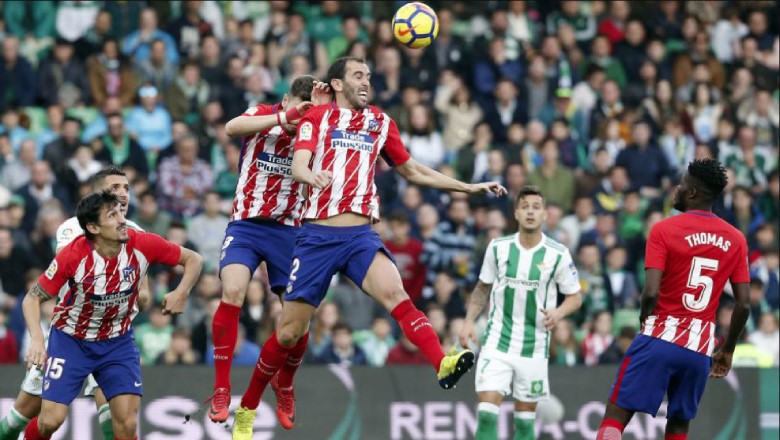
The meaning of park the bus in football will always be a subject of contention among fans who prefer attacking flair. However, the history of the sport proves that defensive discipline is just as much a skill as creative brilliance. Whether it is Mourinho's Inter or Chelsea's resilient squad of 2012, these teams demonstrated that sometimes, the best way to win is to simply refuse to be beaten.
Stay updated with the latest scores and defensive masterclasses by following livesports088.mobi for comprehensive football results from every major league. Our platform offers real-time updates and tactical insights to ensure you never miss a moment of the action. Join us today to follow the journey of the world's most disciplined teams and the superstars who break them down.
The Most Popular
-
 How many rounds are there in the Premier League? The structural evolution of world's most attractive football domestic league
 -
 Mexico national soccer team jersey history: Where Aztec spirit meets football identity
 -
 5 Germany biggest defeats in football history: The heaviest defeat record has lasted for more than a century
 -
 Which is the best Real Madrid home jerseys of all time? Ranking ten best 'Madrid Royal' shirts of Los Blancos
 -
 Top 10 players who played for both Arsenal and Barcelona: No.1 joined the opposite to win the Champions League
 -
 The tactical evolution of a legend: What position does Ronaldo play?
 -
 Uruguay national football team players at World Cup 2026: Five key factors set to drive South American teams further
 -
 Why did Beckham leave Real Madrid? From Los Blancos farewell to a groundbreaking move in the US
 -
 How much did Bayern Munich pay for Lewandowski? Among one of the most successful transfers in the 2010s
 -
 How much did Liverpool pay for Alisson? Key signing that erased the European final goalkeeping nightmare