
What is Barcelona nickname? A journey through the unique labels of Catalonia's pride
Few clubs in the world carry as much historical weight as Barcelona, a team whose identity is deeply intertwined with the political and social movements of its home region, sparking constant curiosity regarding its origins. You can find comprehensive coverage of the club's evolving legacy on Livesports088, where the latest news and historical insights are regularly updated for fans. These monikers are more than just informal labels; they are a reflection of a philosophy that views football as a tool for social expression.
Whether it is a reference to the club’s iconic colors or a term born from the architectural history of their old stadium, each name provides a window into the soul of the club. For global supporters, these titles represent a standard of aesthetic football and a commitment to a "Més que un club" (More than a club) mentality, leading many to discover what is Barcelona nickname for the first time.
What is Barcelona nickname?
When discussing the team's identity, the most universal and widely recognized term is undoubtedly Barça, a shorthand version used by millions of fans and journalists across the globe. For those who wish to highlight the club's visual heritage, the team is most formally known as the Blaugrana, which refers to the legendary blue and deep red (garnet) stripes of their kit.
While these terms describe the team itself, the individuals who support them carry their own distinct titles, ranging from the historically rich Culers (or Barcelonistes) to the color-themed labels of Blaugranes and Azulgranas. This variety of names allows the club to exist as both a local communal treasure and an international sporting icon, providing a complete answer to what is Barcelona nickname.
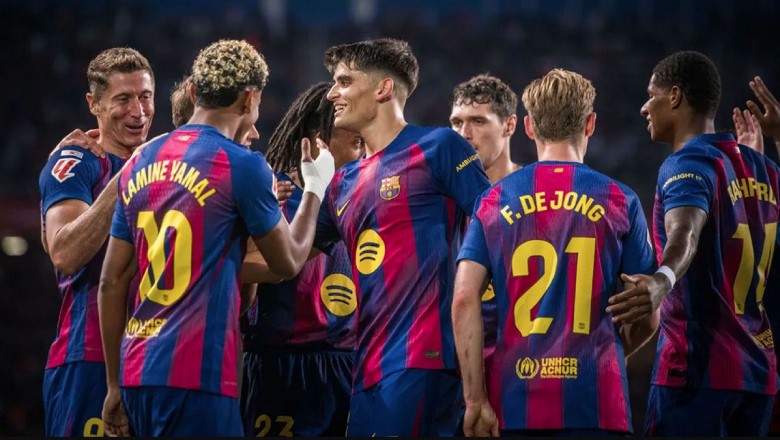
The global resonance of Barça
The term Barça is the most widely recognized shorthand for the club, serving as a universal bridge between the team and its hundreds of millions of followers across every continent. While it originated as a simple linguistic abbreviation, it has evolved into a powerful global brand that represents a commitment to beautiful, offensive-oriented football and the legendary "Tiki-taka" philosophy.
For international supporters, using this name is an act of belonging to a sporting movement that transcends borders, proving that the club’s identity is as much about global excellence as it is about local tradition.
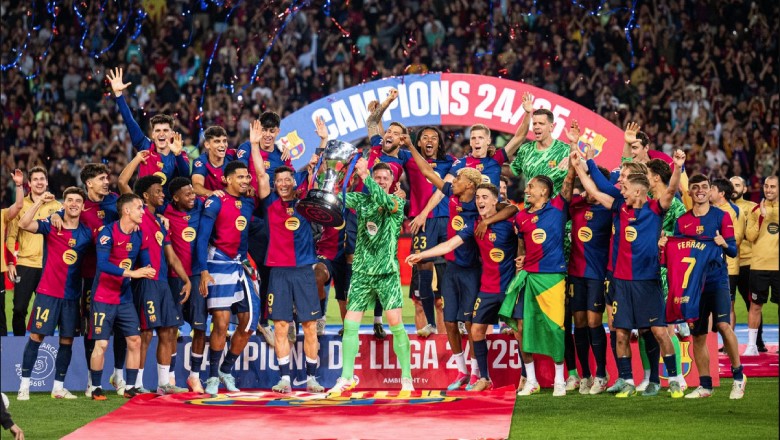
The significance of "Culers" and fan culture
The nickname Culers is perhaps the most unique in world football, originating from the club's former stadium at Calle de la Industria, where they played between 1909 and 1922. The stadium had a simple wall where fans would sit to watch the matches, and passers-by on the street outside could only see the rows of fans' backsides (or "culs" in Catalan). This humorous sight led locals to call the supporters "Culers." Far from being offended, the fans embraced the name, transforming it into a badge of honor that signifies the club’s humble beginnings and its deep connection to the local community. Today, supporters are also proudly called Barcelonistes, a more formal term that emphasizes their lifelong membership in the FC Barcelona family.
In modern fan culture, being a "Culé" represents a specific way of life. It implies a commitment to the "Tiki-taka" style of play and an unwavering loyalty to the club's youth academy, La Masia. For the supporters at the Camp Nou, the nickname is a link to their ancestors who sat on that stadium wall over a hundred years ago. This identity is what drives the massive coordinated mosaics seen during "El Clásico," where the fans celebrate their status as Culers, proving that the nickname is the ultimate symbol of their shared history and regional defiance.
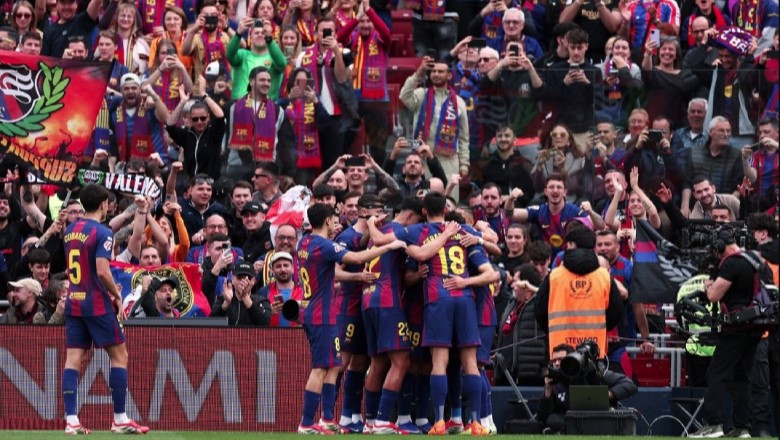
The Blaugrana identity and other monikers
While "Barça" is the common name, the team's soul is found in the Blaugrana identity. The blue and garnet colors are believed to have been chosen by the club's founder, Joan Gamper, and they have since become a psychological armor for the players. Supporters who identify closely with these colors often call themselves Blaugranes (in Catalan) or Azulgranas (in Spanish). These terms reflect the dual linguistic heritage of the club's fanbase, bridging the gap between local Catalan roots and the millions of Spanish-speaking supporters worldwide.
The media also frequently uses the term The Catalans to emphasize the club’s role as an unofficial "national team" for the region, especially during high-stakes European nights. These various names allow Barcelona to maintain a dual image: a local institution deeply rooted in the soil of Catalonia and a global brand recognized by its simple, powerful labels. Whether you call them the Blaugrana or refer to the fans as Culers, each name reinforces the idea that the club is a permanent fixture in the cultural and sporting landscape.
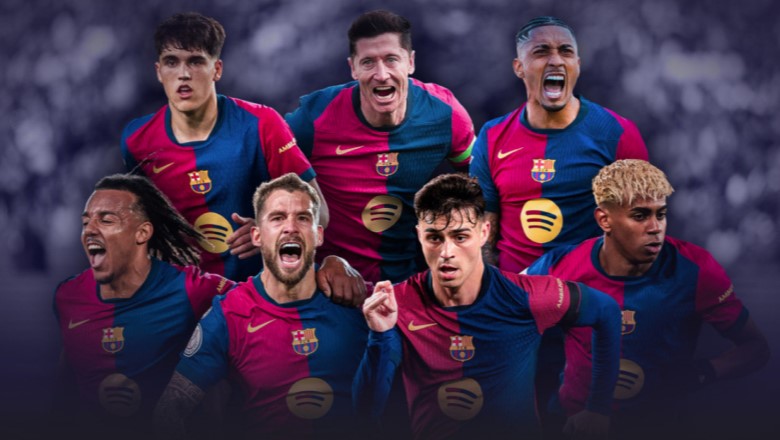
Barcelona nicknames and cultural roots:
Barça: The primary global shorthand for the team.
The Blaugrana: The formal team nickname based on club colors.
Culers / Barcelonistes: Traditional names for the club's supporters.
Blaugranes / Azulgranas: Color-based nicknames for the fanbase.
Answering the question what is Barcelona nickname reveals a journey from the humorous "Culers" on a stadium wall to the global prestige of the "Blaugrana." These names ensure that Barcelona remains not just a football team, but a living museum of Catalan culture and a symbol of sporting excellence known to every corner of the globe.
Stay informed about the latest team news and check the upcoming schedules for the next matches by visiting livesports088.mobi. Our platform provides real-time updates to ensure you never miss a moment of the action as the Blaugrana continue their quest for glory.
The Most Popular
-
 How many rounds are there in the Premier League? The structural evolution of world's most attractive football domestic league
 -
 Mexico national soccer team jersey history: Where Aztec spirit meets football identity
 -
 5 Germany biggest defeats in football history: The heaviest defeat record has lasted for more than a century
 -
 Which is the best Real Madrid home jerseys of all time? Ranking ten best 'Madrid Royal' shirts of Los Blancos
 -
 Top 10 players who played for both Arsenal and Barcelona: No.1 joined the opposite to win the Champions League
 -
 The tactical evolution of a legend: What position does Ronaldo play?
 -
 Uruguay national football team players at World Cup 2026: Five key factors set to drive South American teams further
 -
 Why did Beckham leave Real Madrid? From Los Blancos farewell to a groundbreaking move in the US
 -
 How much did Bayern Munich pay for Lewandowski? Among one of the most successful transfers in the 2010s
 -
 How much did Liverpool pay for Alisson? Key signing that erased the European final goalkeeping nightmare