
What is Sevilla FC logo meaning? The glorious story of the Europa League king revealed
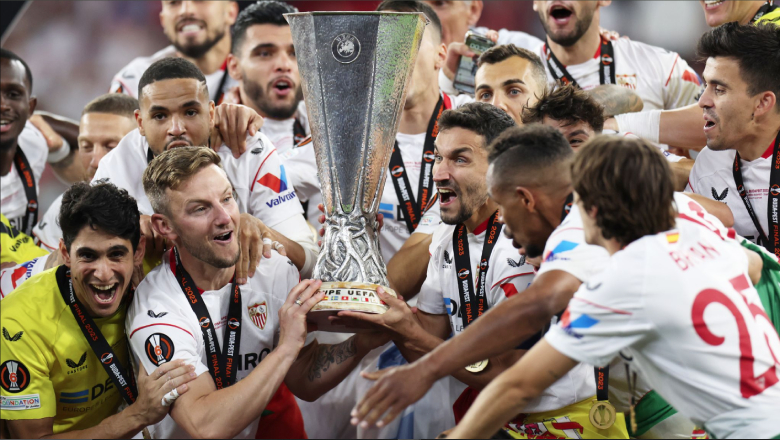
While modern football branding often gravitates toward corporate minimalism, Sevilla FC remains a staunch guardian of its medieval heritage. Since 1890, the institution has operated as a vessel for the city's narrative, carrying the weight of the Reconquista and the blessing of its patron saints onto the pitch.
Livesports088 observed that the visual language of the club has journeyed from the modest ink stamps of the Victorian era to the majestic, heart-shaped shield that currently commands respect across the continent. This Sevilla FC logo meaning functions as a living piece of the Andalusian soul, bridging the gap between the ancient stone walls of the Seville Cathedral and the thunderous, high-stakes atmosphere of the Ramón Sánchez Pizjuán.
What is Sevilla FC logo meaning?
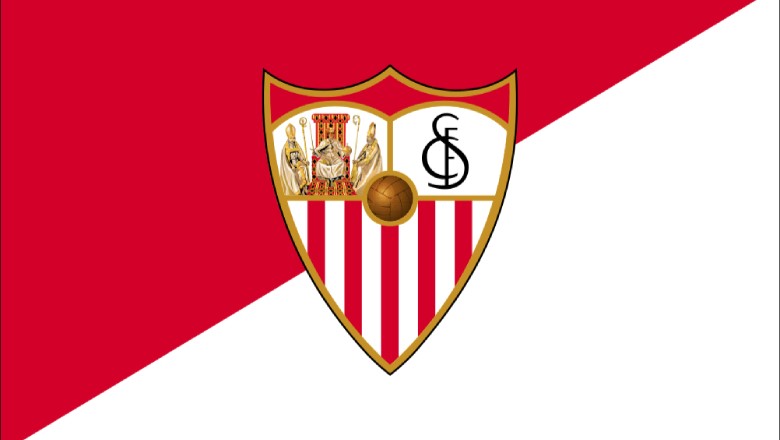
The contemporary emblem is a sophisticated shield divided into three distinct sections, each carrying a heavy symbolic weight. When fans research the Sevilla logo meaning, the most striking element is the top-left section featuring three figures: Saint Isidore, Saint Ferdinand III, and Saint Leander. Ferdinand III, the king who reconquered Seville in 1248, sits in the center as a symbol of the city’s royal and religious foundations.
On the top-right side, the initials "SFC" are intertwined in a monogram against a white background. This specific element is a tribute to the club's original 1905 identity, ensuring that the roots of the founders are never forgotten.
The bottom half of the heart-shaped shield consists of red and white vertical stripes, which were inspired by the banner of King Ferdinand III during the reconquest of the city. Enclosed in a golden border with a classic football at the center, the entire design stands as a masterpiece of Spanish heraldry, making the Sevilla logo meaning a unique blend of civic pride and athletic ambition.
The historical evolution of the Sevilla crest
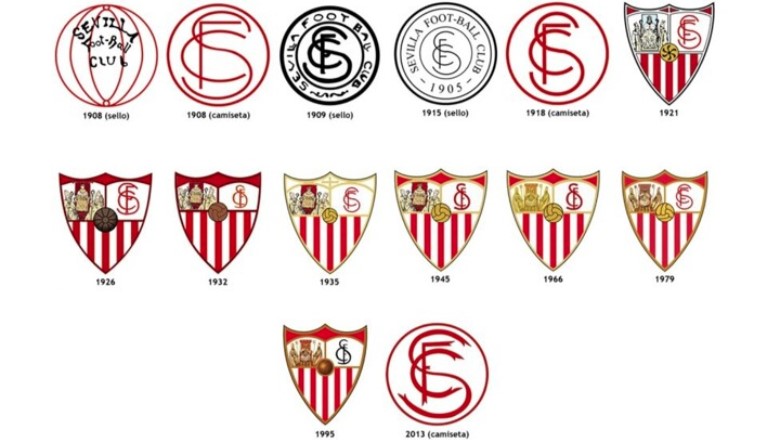
1905-1921: The era of circular monograms
In the earliest days of organized competition, the club’s identity was captured through simple circular monograms. These "sellos" (stamps) featured the letters "SFC" in various red scripts. Although basic, these early circles established the "Rojiblanco" color palette that would survive every future redesign, grounding the club in a tradition of simplicity before the move toward complex heraldry.
1921-1935: The birth of the heart-shaped shield
A massive transition occurred in 1921 when the artist Santiago del Campo introduced the shield format. For the first time, the patron saints were combined with the vertical stripes in a pointed, heart-like frame. This period added a brown leather football to the center, a design choice that firmly moved the brand away from a general civic seal and toward a specific athletic identity.
1935-1982: Refinement of the royal heraldry
As Sevilla solidified its place in La Liga, the crest underwent several decades of artistic polishing. The 1945 and 1966 variations sharpened the details of the saints and deepened the gold outlines. This era represented the club’s transition into a professional powerhouse, with the badge taking on the prestigious look of a royal coat of arms during their mid-century successes.
1982-1995: Modernization for the media age
Following the 1982 World Cup, the logo was adjusted for better visual clarity on color television. The stripes were balanced and the color saturation was increased to ensure the badge remained sharp in print and on-screen. This version saw the club begin to make its mark on the international stage, preparing the brand for the upcoming era of continental glory.
1995-present: The icon of European kings
The 1995 redesign is the definitive emblem that has witnessed Sevilla’s historic run as the kings of the Europa League. By refining the golden border and centralizing the football, this badge became a symbol of a "giant killer." While various retro monograms appear on lifestyle apparel, this specific shield remains the official and permanent seal worn by the players, embodying the club's reputation as a relentless winner.
Sevilla logo evolution and history:
1905-1921: The original circular monogram seals
1921-1935: Introduction of the heart-shaped shield and saints
1935-1982: Refinement of the classical heraldic elements
1982-1995: Adjustments for modern television and media
1995-present: The definitive shield of the Europa League champions
Impact on club culture and global identity
The logo of Sevilla serves as a powerful cultural barrier, separating the "noble" pride of the city from its rivals. Locally, the shield is a banner of the "Sevillistas," representing the traditional and royalist heart of the city in the fierce El Gran Derbi. Globally, the red and white stripes have become a seal of quality: when fans see this crest, they expect a team that produces elite talent and tactical discipline.
By refusing to abandon its medieval symbols, Sevilla has created a brand that feels both ancient and indestructible, fostering a global community that values heritage just as much as trophies.
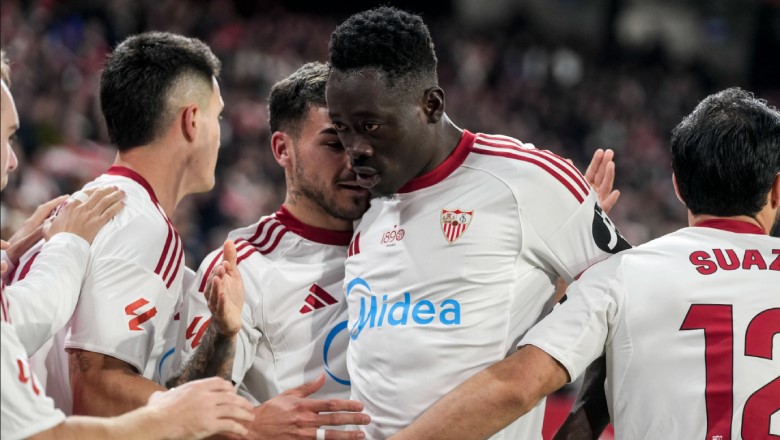
Deciphering the Sevilla logo meaning reveals a legacy of passion that has survived for over thirteen decades. From the 1905 seals to the modern heart-shaped shield, the badge remains a testament to the club's survival and triumph. This publishing have decoded every part of this crest to show why Sevilla continues to be a beacon of pride for their city and their fans.
To stay ahead of the game as the Rojiblancos fight for their next trophy, having the right data is essential. Visit livesports088.mobi now to find the most competitive football odds and expert insights, ensuring you are prepared for every high-stakes matchday involving Sevilla.
The Most Popular
-
 How many rounds are there in the Premier League? The structural evolution of world's most attractive football domestic league
 -
 Mexico national soccer team jersey history: Where Aztec spirit meets football identity
 -
 5 Germany biggest defeats in football history: The heaviest defeat record has lasted for more than a century
 -
 Which is the best Real Madrid home jerseys of all time? Ranking ten best 'Madrid Royal' shirts of Los Blancos
 -
 Top 10 players who played for both Arsenal and Barcelona: No.1 joined the opposite to win the Champions League
 -
 The tactical evolution of a legend: What position does Ronaldo play?
 -
 Uruguay national football team players at World Cup 2026: Five key factors set to drive South American teams further
 -
 Why did Beckham leave Real Madrid? From Los Blancos farewell to a groundbreaking move in the US
 -
 How much did Bayern Munich pay for Lewandowski? Among one of the most successful transfers in the 2010s
 -
 How much did Liverpool pay for Alisson? Key signing that erased the European final goalkeeping nightmare