
Who is the best German football player of all time? Can Neuer beat the predecessors in this top ten?
German football has always been associated with discipline, intelligence, and an unmatched winning mentality. Across different generations, the country has produced players who not only dominated their eras but also reshaped how the game is played. From ruthless goal scorers to revolutionary defenders and commanding leaders, Germany’s football heritage is filled with icons whose legacies still influence modern football.
But when narrowing it down to the best German football player of all time, the debate becomes far more complex. Is it about trophies, individual brilliance, tactical influence, or longevity at the highest level? Each era offers a different answer, and every legend brings a unique dimension to the discussion.
In this analysis by livesports088, we explore five extraordinary players who defined German football history. Rather than simply listing achievements, this ranking dives into their influence, iconic moments, and why their greatness still resonates across generations.
The best German football players of all time: Top 10
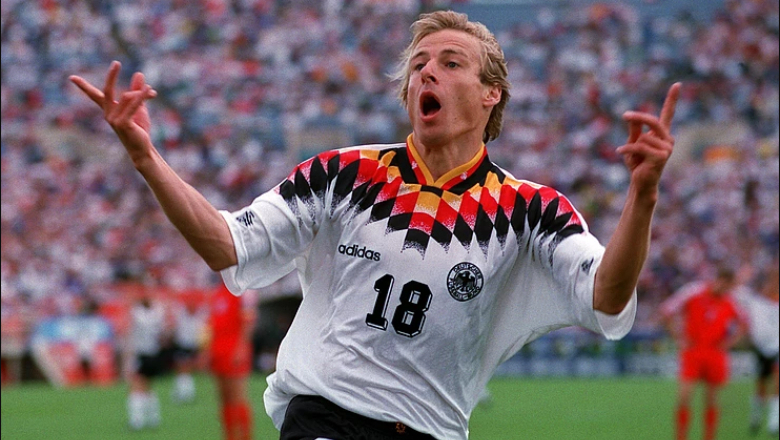
10. Jürgen Klinsmann
Long before modern pressing forwards became the norm, there was already a striker who combined relentless movement with sharp finishing. Klinsmann was the embodiment of energy in attack, constantly stretching defenses with intelligent runs and aggressive pressing.
His performances at the FIFA World Cup were particularly memorable, playing a crucial role in Germany’s triumph in 1990. Beyond international success, his club career across Europe showcased adaptability, from the Inter Milan to a cult-hero spell at Tottenham Hotspur.
Klinsmann’s impact was not just about goals, but about setting the tone for attacking intensity. He helped redefine the role of the modern forward through work rate and tactical intelligence.
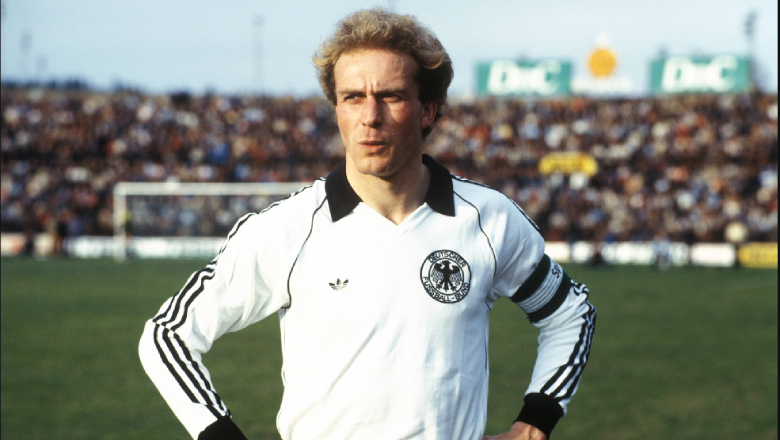
9. Karl-Heinz Rummenigge
There was a time when elegance and efficiency blended perfectly in one attacking player, and Rummenigge stood at the center of that balance. A two-time Ballon d’Or winner, he was among the most complete forwards of his generation.
At Bayern Munich, he led the team through a transitional era, maintaining dominance domestically while remaining a constant threat in Europe. His dribbling, acceleration, and clinical finishing made him extremely difficult to contain.
Internationally, Rummenigge played a key role in Germany’s runs to the 1982 and 1986 World Cup finals. Even when not fully fit, his presence alone shifted defensive attention, highlighting his importance.
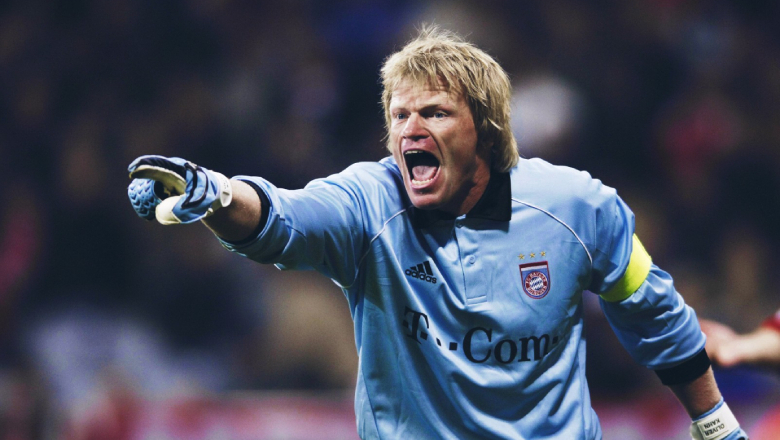
8. Oliver Kahn
Few goalkeepers have ever imposed themselves on matches with such intensity. Kahn was not just a shot-stopper, he was a psychological force who intimidated opponents and inspired teammates.
His defining moment came at the 2002 World Cup, where he almost single-handedly carried Germany to the final, earning the Golden Ball as the tournament’s best player. Performances like these elevated the perception of goalkeepers in world football.
At Bayern Munich, Kahn was the backbone of a dominant side, winning multiple Bundesliga titles and the Champions League. His leadership, reflexes, and sheer willpower made him one of the greatest goalkeepers of all time.
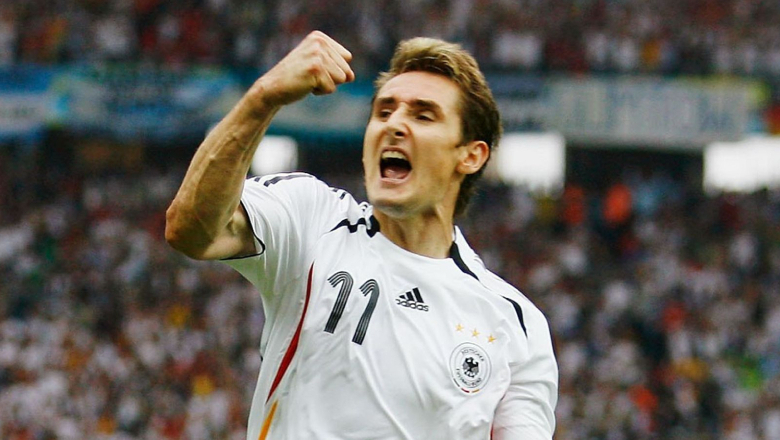
7. Miroslav Klose
In tournaments where pressure defines greatness, few players have delivered as consistently as Klose. His record as the all-time top scorer in the World Cup with 16 goals remains one of football’s most remarkable achievements.
What made Klose exceptional was not flashy technique but efficiency and intelligence. His positioning inside the box, timing of runs, and aerial ability allowed him to score in crucial moments across multiple World Cups. The pinnacle came in 2014 when he helped Germany lift the trophy, cementing his legacy as a tournament specialist.
Klose’s greatness lies in reliability. When Germany needed goals on the biggest stage, he delivered with unmatched consistency.
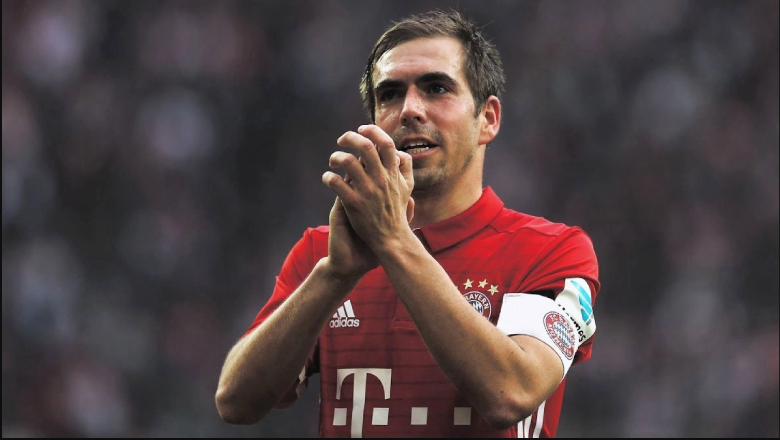
6. Philipp Lahm
Some players dominate through physicality, others through intelligence. Lahm belonged firmly in the second category, redefining what it meant to be a full-back and later a deep-lying playmaker.
As captain, he led Germany to World Cup glory in 2014, delivering consistent performances marked by tactical awareness and technical precision. Whether operating on either flank or moving into midfield under Pep Guardiola, Lahm executed every role with remarkable discipline.
At Bayern Munich, he was a symbol of consistency and professionalism, playing a key role in one of the most dominant periods in the club’s history. His ability to read the game and make perfect decisions under pressure set him apart.
Lahm’s legacy is built on intelligence, versatility, and quiet excellence, proving that leadership does not always need to be loud to be effective.
5. Michael Ballack
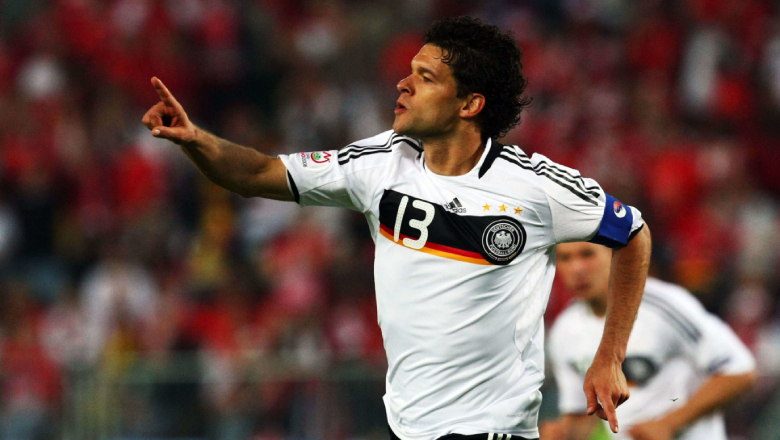
There was a period when Germany’s midfield identity revolved entirely around one figure who combined power, technique, and an instinct for decisive moments. Ballack was not just a midfielder, he was a leader who carried both club and country through some of their most competitive eras.
At international level, he was the driving force behind Germany’s run to the 2002 World Cup final, delivering crucial goals throughout the tournament despite missing the final itself due to suspension. His ability to arrive late into the box, dominate aerial duels, and dictate tempo made him a constant threat.
With clubs like Bayern Munich and Chelsea, Ballack consistently performed on the biggest stages, including Champions League campaigns where his leadership and composure stood out. He was the kind of player who thrived under pressure, often stepping up when the stakes were highest.
Ballack’s legacy lies in his completeness. He could defend, create, and score with equal authority, making him one of the most influential midfielders Germany has ever produced.
4. Gerd Müller
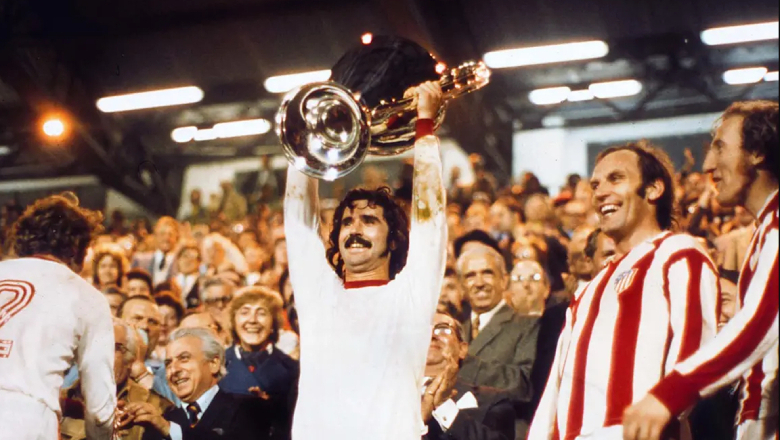
Before modern pressing systems and high defensive lines, there was a striker who thrived purely on instinct. Müller redefined what it meant to be a goal scorer, turning half chances into goals with astonishing regularity.
His record of 68 goals in 62 international matches for West Germany illustrates his ruthless efficiency. At club level with FC Bayern Munich, he was the focal point of a dominant era that included multiple European titles.
One defining moment came in the 1974 World Cup final, where his decisive goal secured the title. Müller’s ability to score in tight spaces and react faster than defenders made him one of the most lethal finishers football has ever seen.
3. Manuel Neuer
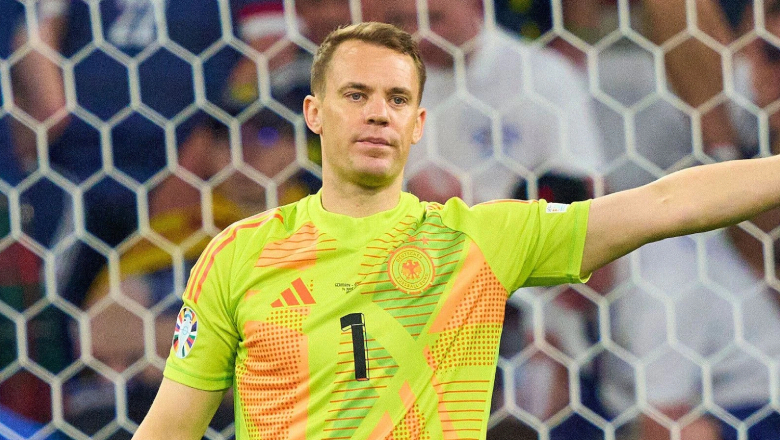
Goalkeepers are rarely included in debates about all-time greatness, but Neuer changed that narrative completely. He did not just excel in his position, he redefined it.
At Bayern Munich and with Germany, Neuer introduced the concept of the “sweeper-keeper,” regularly stepping outside his box to intercept attacks and build play. His performance in the 2014 World Cup, particularly in knockout matches, showcased a level of dominance rarely seen from a goalkeeper.
Beyond innovation, his reflexes, composure, and leadership made him a cornerstone of both club and country success. Neuer’s influence extends beyond trophies, as he transformed how modern goalkeepers approach the game.
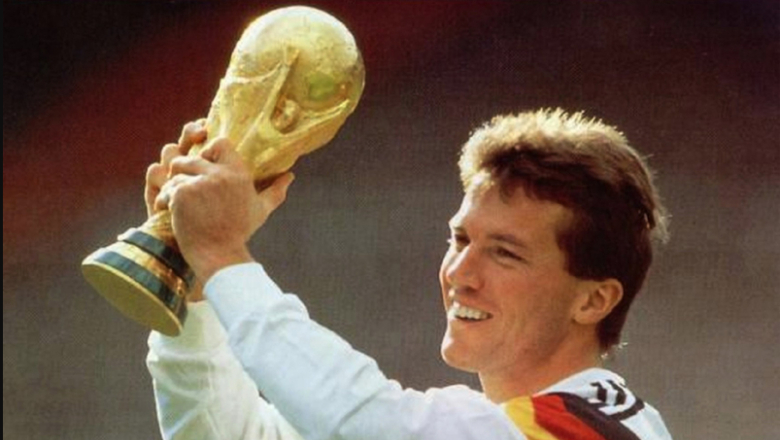
2. Lothar Matthaus
Few players have demonstrated versatility and longevity at the highest level like Matthaus. Over a career spanning more than two decades, he evolved from an attacking midfielder into a commanding deep-lying playmaker and leader.
Winning the 1990 World Cup as captain remains the defining moment of his career. His ability to control matches, dictate tempo, and contribute both defensively and offensively made him one of the most complete midfielders in football history.
With clubs like Bayern Munich and Inter Milan, Matthaus consistently performed at the highest level, earning the Ballon d’Or in 1990. His influence on the pitch was not just technical but psychological, driving his teams forward in crucial moments.
1. Franz Beckenbauer
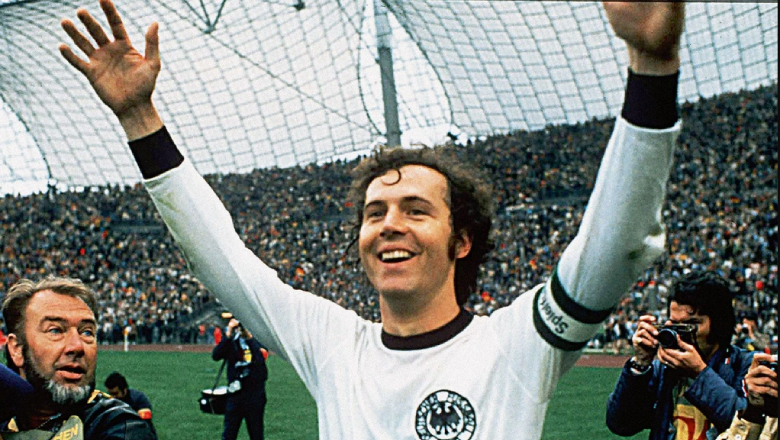
At the top of the list stands a player who did not just dominate his era but changed football forever. Beckenbauer revolutionized the role of the defender by introducing elegance, intelligence, and attacking contribution to a traditionally defensive position.
Known as “Der Kaiser”, he led West Germany to World Cup glory in 1974 and later repeated the achievement as a manager in 1990. His ability to read the game, carry the ball forward, and control matches from deep positions made him unique.
A Bayern Munich, he was the foundation of a golden era that brought multiple European titles. His legacy is not just about trophies but about redefining what a defender could be.
When discussing the best German football player of all time, Beckenbauer’s influence on the evolution of football places him in a category of his own.
10 best German football players of all time
1. Franz Beckenbauer
2. Lothar Matthaus
3. Manuel Neuer
4. Gerd Müller
5. Michael Ballack
6. Philipp Lahm
7. Miroslav Klose
8. Oliver Kahn
9. Karl-Heinz Rummenigge
10. Jurgen Klinsmann
Greatness in German football has never followed a single formula. Some legends built their reputation through relentless goals, others through leadership, and a few by redefining entire positions on the pitch.
What makes this debate so compelling is how each name represents a different version of dominance. From the ruthless instincts inside the box to the calm authority at the back, these players did not just succeed, they left behind standards that future generations still chase.
And perhaps that is what truly keeps the conversation alive. No matter how football evolves, the question of who stands above the rest in Germany will always spark new arguments, new perspectives, and new appreciation for the game itself.
Football history is filled with legendary figures, but understanding their true impact requires more than just numbers. If you are passionate about analyzing greatness, comparing eras, and exploring deeper insights such as tactical trends and football odds, livesports088.mobi is your destination for a richer, more thoughtful football experience.
The Most Popular
-
 How many rounds are there in the Premier League? The structural evolution of world's most attractive football domestic league
 -
 Mexico national soccer team jersey history: Where Aztec spirit meets football identity
 -
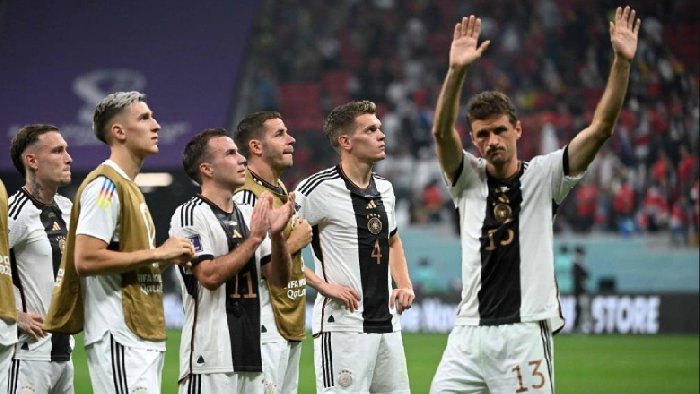 5 Germany biggest defeats in football history: The heaviest defeat record has lasted for more than a century
 -
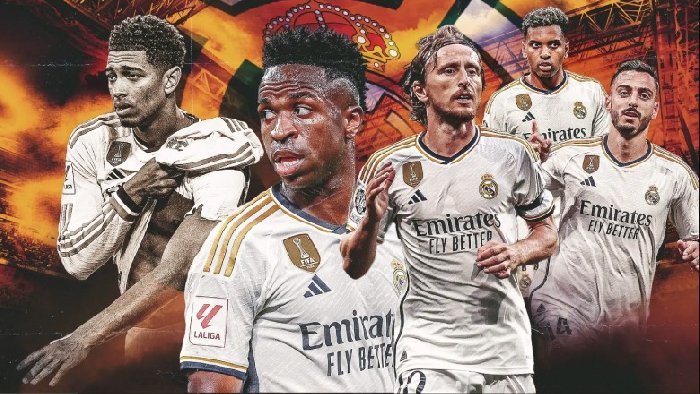 Which is the best Real Madrid home jerseys of all time? Ranking ten best 'Madrid Royal' shirts of Los Blancos
 -
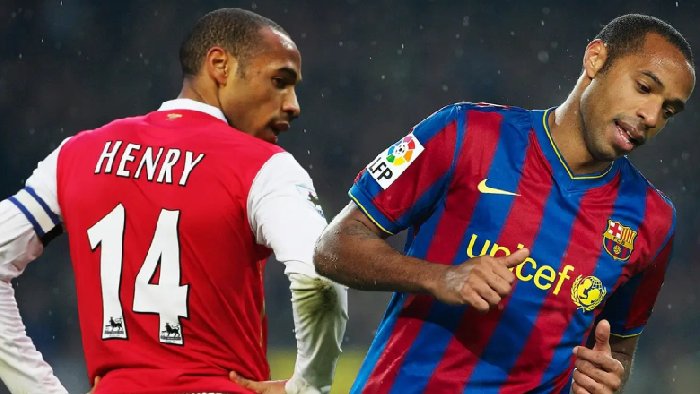 Top 10 players who played for both Arsenal and Barcelona: No.1 joined the opposite to win the Champions League
 -
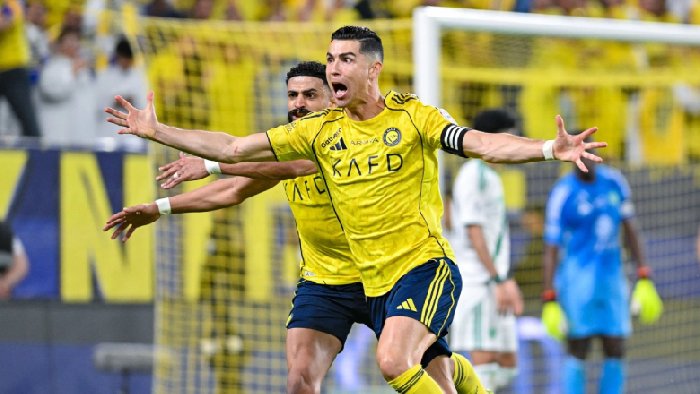 The tactical evolution of a legend: What position does Ronaldo play?
 -
 Uruguay national football team players at World Cup 2026: Five key factors set to drive South American teams further
 -
 Why did Beckham leave Real Madrid? From Los Blancos farewell to a groundbreaking move in the US
 -
 How much did Bayern Munich pay for Lewandowski? Among one of the most successful transfers in the 2010s
 -
 How much did Liverpool pay for Alisson? Key signing that erased the European final goalkeeping nightmare