
Why did Beckham leave Real Madrid? From Los Blancos farewell to a groundbreaking move in the US
Navigating the complex politics of the Spanish capital requires a deep look into the 2006/07 season, a period where Livesports088 witnessed a legendary player battle both management and his own future. Investigating why did Beckham leave Real Madrid reveals a narrative defined by a mid-season fallout with Fabio Capello and a groundbreaking contract offer from the United States that was too significant to ignore.
While he ultimately left as a champion, the path to his exit was paved with controversy, a temporary ban from the first team, and a historic decision to prioritize a new legacy in Major League Soccer. Through the specialized lenses of Livesports088, we break down the contract stalemate, the Capello conflict, and the birth of a new era in the City of Angels.
Why did Beckham leave Real Madrid?
The primary reason why did Beckham leave Real Madrid was a fundamental breakdown in contract negotiations combined with a loss of guaranteed playing time under manager Fabio Capello. By January 2007, Beckham had only six months remaining on his deal, and the club was hesitant to offer the long-term security he desired.
When Beckham took the initiative to sign a pre-contract agreement with LA Galaxy, a move valued at a staggering $250 million over five years, Capello famously declared that the midfielder would "never play for Real Madrid again." This forced a period of exile that only ended when Beckham's professional conduct and work rate in training compelled the manager to reintegrate him for the final title push.
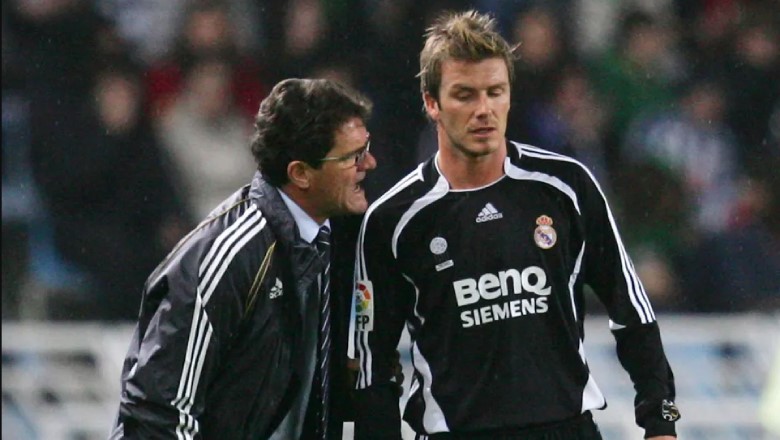
The Capello conflict and the mid-season exile
The relationship between David Beckham and Fabio Capello was one of the most strained in the club's history. Capello, known for his rigid discipline, initially viewed Beckham as a "celebrity" rather than a tactical necessity. After Beckham announced his move to the MLS in January 2007, he was officially frozen out of the squad for several weeks. However, Real Madrid's form plummeted, and the pressure from teammates like Iker Casillas and Raúl grew.
Recognizing Beckham's unwavering commitment despite being sidelined, Capello eventually swallowed his pride, stating, "To err is human." Beckham returned to the starting lineup in February, playing a pivotal role in one of the most dramatic comebacks in La Liga history.
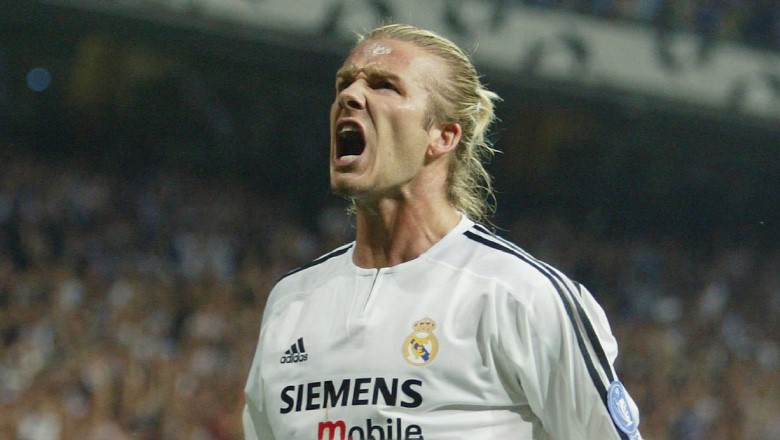
Domestic triumphs and the final hurrah
Despite the turbulence, Beckham’s career at Real Madrid ended on the highest possible note. Throughout his four seasons, he made 159 appearances and scored 20 goals, but major trophies had eluded him until his very last match. In the 2006/07 season finale against Mallorca, Beckham started despite carrying an injury.
Although he was substituted in the second half, his presence set the tone for a 3-1 victory that secured the La Liga title. This trophy was the perfect bookend to his time in Spain, allowing him to leave not as a castaway, but as a celebrated champion who had won over the notoriously demanding Madrid fans.
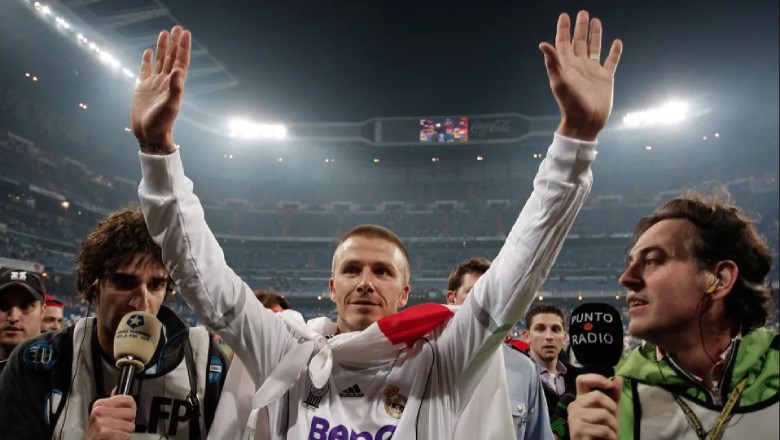
Iconic moments and the master of the dead ball
The legacy Beckham left behind at the Bernabéu is defined by his exquisite technical delivery and professional resilience. He inherited the number 23 jersey and immediately became the team's primary set-piece specialist, famously scoring a free-kick on his league debut. One of his most iconic moments came in the 2005 El Clásico, where his crossing and tireless running showcased that he was far more than just a marketing tool.
Even during the "trophy drought" years, Beckham was frequently cited by his peers as the hardest worker in training, a trait that eventually redefined his image from a "Galáctico" icon to a respected midfield general.
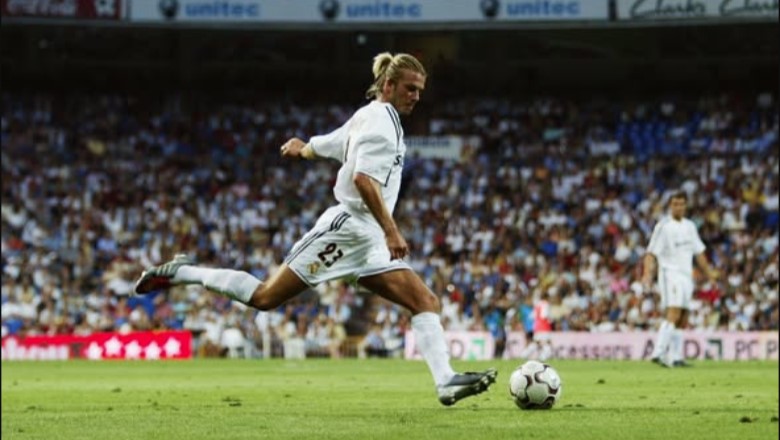
The revolutionary move to Major League Soccer
The decision to leave Madrid for the LA Galaxy was a move that transcended sport. Beckham wasn't just joining a new club; he was becoming the face of a league. The "Beckham Rule" (Designated player rule) was created specifically to facilitate his arrival, changing the financial landscape of American soccer forever.
While many critics in Spain argued he was moving to a "retirement league" too early at age 32, Beckham saw the opportunity to build a global brand and expand his influence beyond Europe. His departure from Madrid was the catalyst for the modern era of the MLS, proving that he was still the most influential figure in world football.
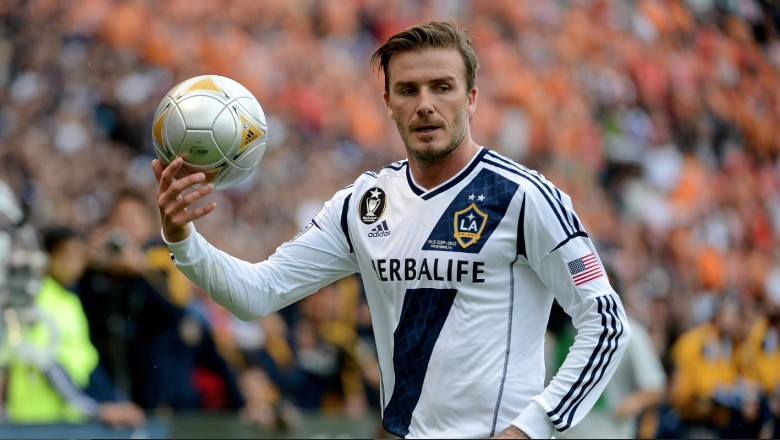
A legacy of professionalism in white
Looking back, Beckham's exit was a masterclass in professional integrity. He could have easily coasted through his final six months after being insulted by the management, but he instead fought his way back to help the club win the league.
He left Real Madrid with one La Liga title and one Supercopa de España, but his greatest achievement was changing the perception of English players abroad. He remains one of the few British stars to truly succeed and be embraced by the Spanish capital, leaving a void that would not be filled until the arrival of the next generation of superstars like Cristiano Ronaldo.
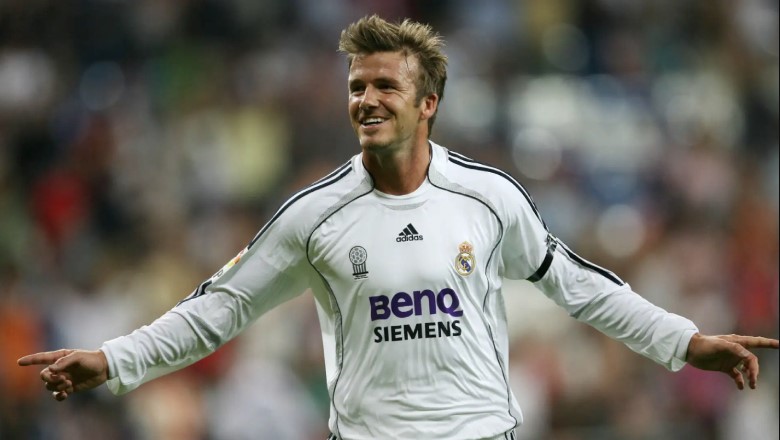
Summary of David Beckham's departure from Real Madrid:
Contract stalemate: Real Madrid failed to offer a long-term deal, leading to the MLS move.
Capello’s ban: Beckham was briefly banned from playing after announcing his exit.
The final trophy: He left on a high note by winning the 2006/07 La Liga title.
LA Galaxy deal: A record-breaking $250 million contract awaited him in the USA.
Professionalism: Beckham's work rate during his exile won back the respect of the fans and manager.
Iconic stats: He departed with 159 appearances and a reputation as an elite set-piece master.
Reflecting on why did Beckham leave Real Madrid highlights the intersection of aging stardom, tactical evolution, and the birth of a global sporting empire. While the conflict with Fabio Capello almost soured his final months, Beckham’s resilience transformed a potential tragedy into a triumphant exit.
He arrived as a marketing phenomenon but left as a league champion, having proved his worth on the pitch. His move to Los Angeles didn't just end his time in Spain; it started a revolution that would eventually change the global map of football forever.
Stay tuned for all the upcoming schedules and match previews at livesports088.mobi. Don't miss a moment of the action as the next generation of legends takes the stage.
The Most Popular
-
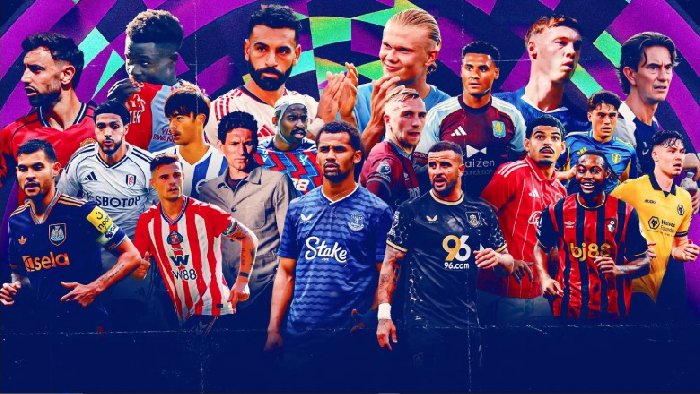 How many rounds are there in the Premier League? The structural evolution of world's most attractive football domestic league
 -
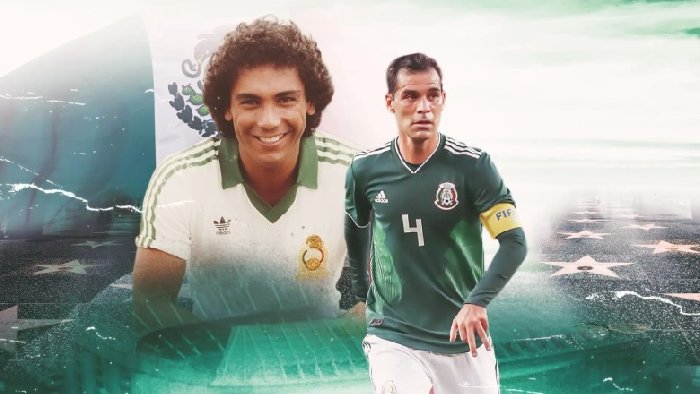 Mexico national soccer team jersey history: Where Aztec spirit meets football identity
 -
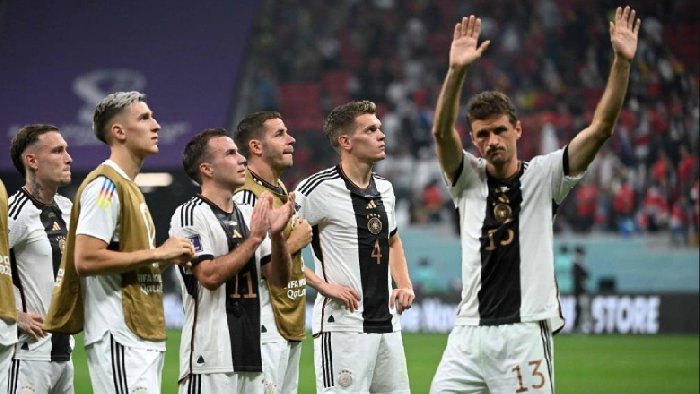 5 Germany biggest defeats in football history: The heaviest defeat record has lasted for more than a century
 -
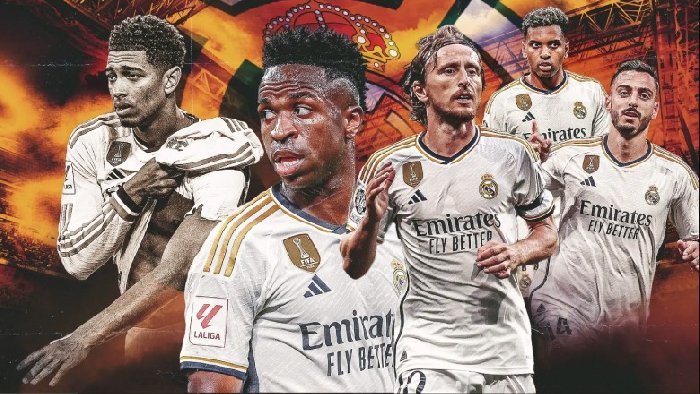 Which is the best Real Madrid home jerseys of all time? Ranking ten best 'Madrid Royal' shirts of Los Blancos
 -
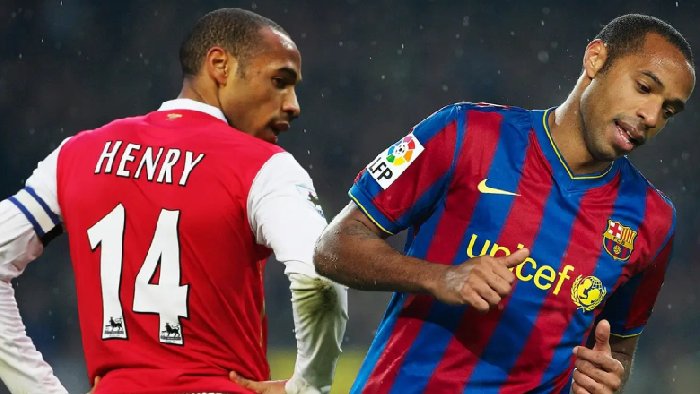 Top 10 players who played for both Arsenal and Barcelona: No.1 joined the opposite to win the Champions League
 -
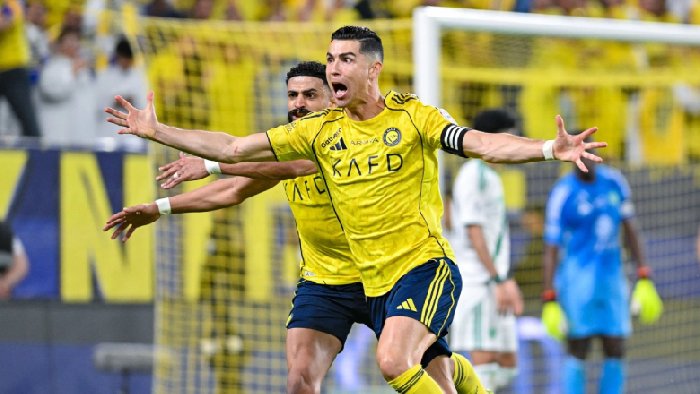 The tactical evolution of a legend: What position does Ronaldo play?
 -
 Uruguay national football team players at World Cup 2026: Five key factors set to drive South American teams further
 -
 How much did Bayern Munich pay for Lewandowski? Among one of the most successful transfers in the 2010s
 -
 How much did Liverpool pay for Alisson? Key signing that erased the European final goalkeeping nightmare
 -
 How much did Barcelona pay for Neymar? A scandal-hit transfer and a controversial farewell